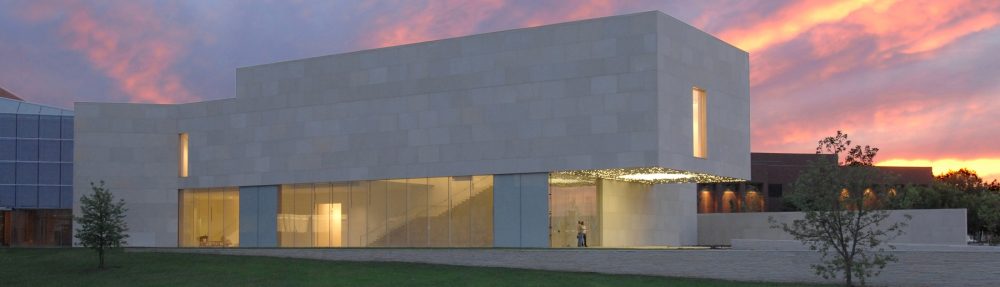
Our A Match Made in Heaven: Katherine Bernhardt x Jeremy Scott Mini-Documentary is ready! We are so excited to be able to share this with everyone! This video was created by Jeremy Eichenbaum of the Los Angeles Video Club, in collaboration with JCCC’s Video Services team.
Category Archives: Exhibitions
June Events in The Salon for Possible Futures
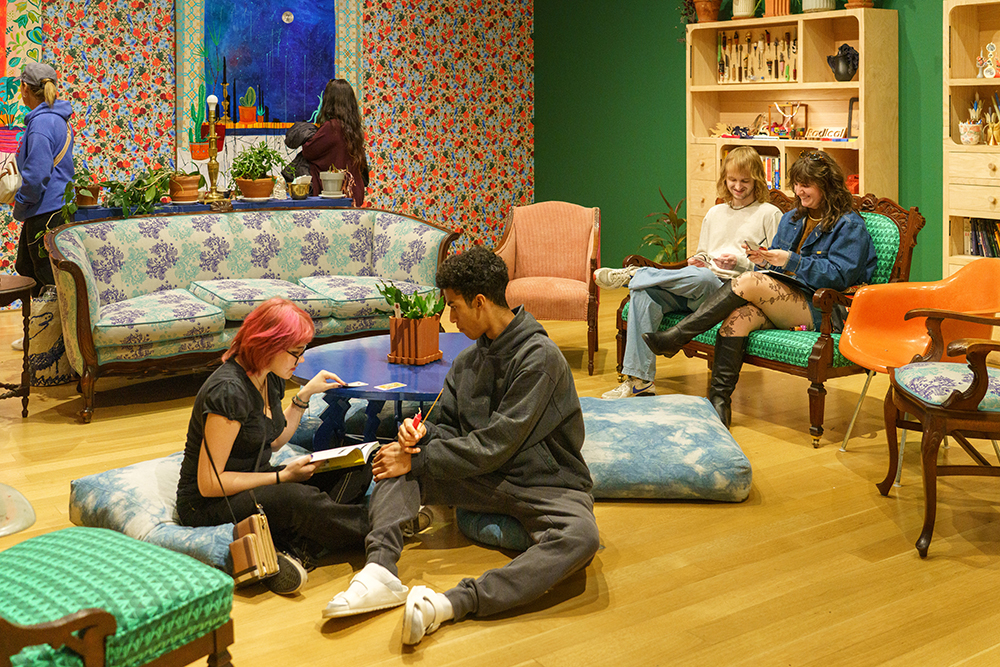
Amy Kligman’s Salon
Amy Kligman’s Salon will be hosting a variety of events through the end of December, reinforcing its purpose as a gathering space, a portal for a better collective future, and the fostering of relationships and community.
In the month of June, Nerman Museum docents, educators, and the community are invited to participate in the following activities in The Salon:
- Wednesday, June 4, 5:30-7 PM – ‘Miss You’ Cards with Kansas Poet Laureate emeritus Huascar Medina
- Friday, June 13, 7-10 PM – Utopia/Dystopia Night with artist, curator, and educator Caitlin Horsmon
- Saturday, June 28, 1-3 PM – Game Day with Brass Monkey, a local tabletop games company
These events are all free and open to the public, but due to limited capacity, RSVPs are required. Learn more about these events and register to participate.
Positive Obsession: Drawings by Basil Kincaid
We are so excited to have Basil Kincaid’s exhibition on view at the museum!
Positive Obsession: Drawings by Basil Kincaid | Nerman Museum of Contemporary Art
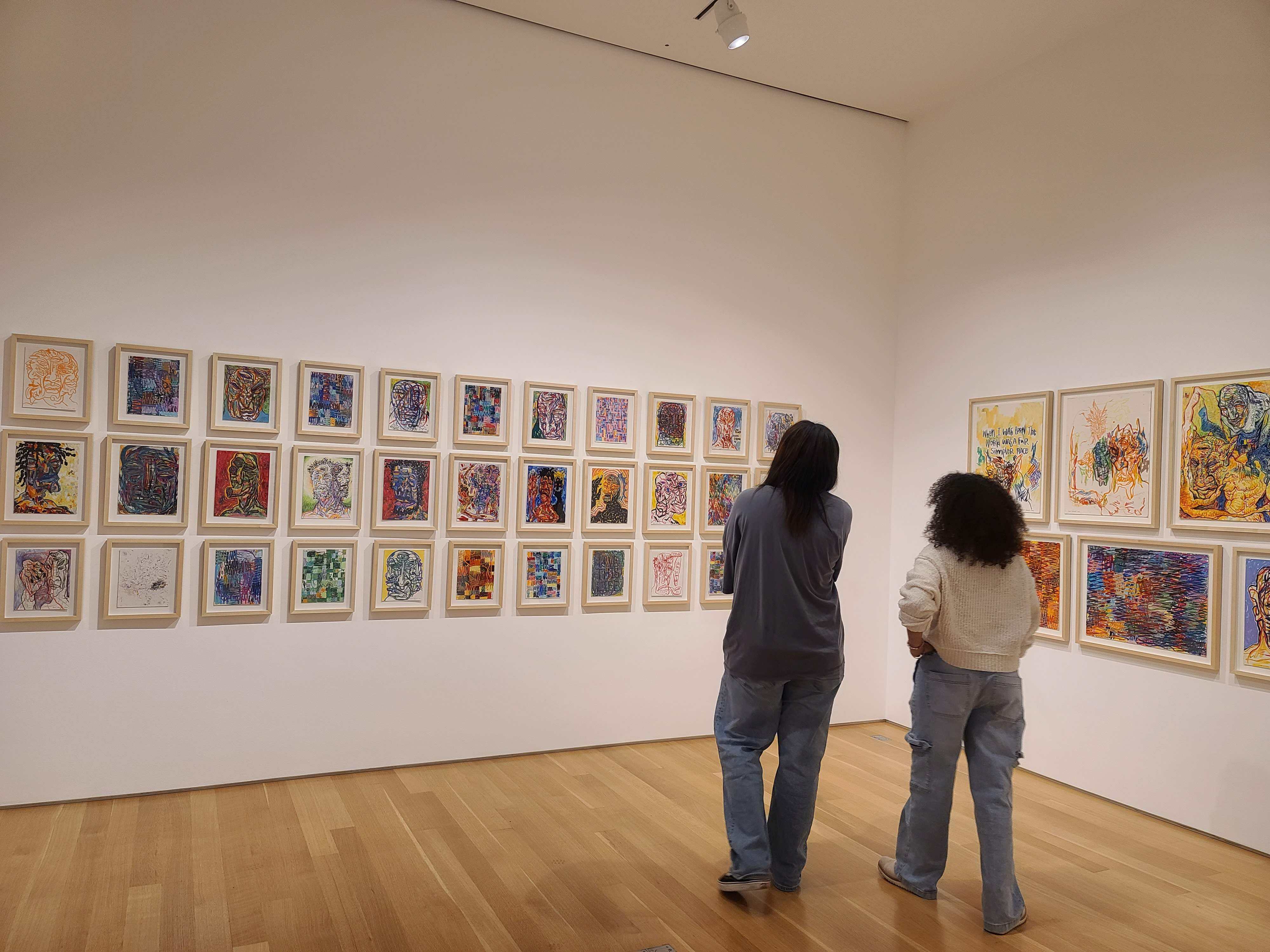
In addition to drawings and textile works, Basil has designed games. Check out his website for more information about these other projects: Basil Kincaid’s website
Video of Katherine Bernhardt and Jeremy Scott now online!
It took a minute but we finally have the video of Katherine and Jeremy from the exhibition opening available online!
Enjoy!
Exhibition open! Amy Kligman’s Salon is a huge hit!
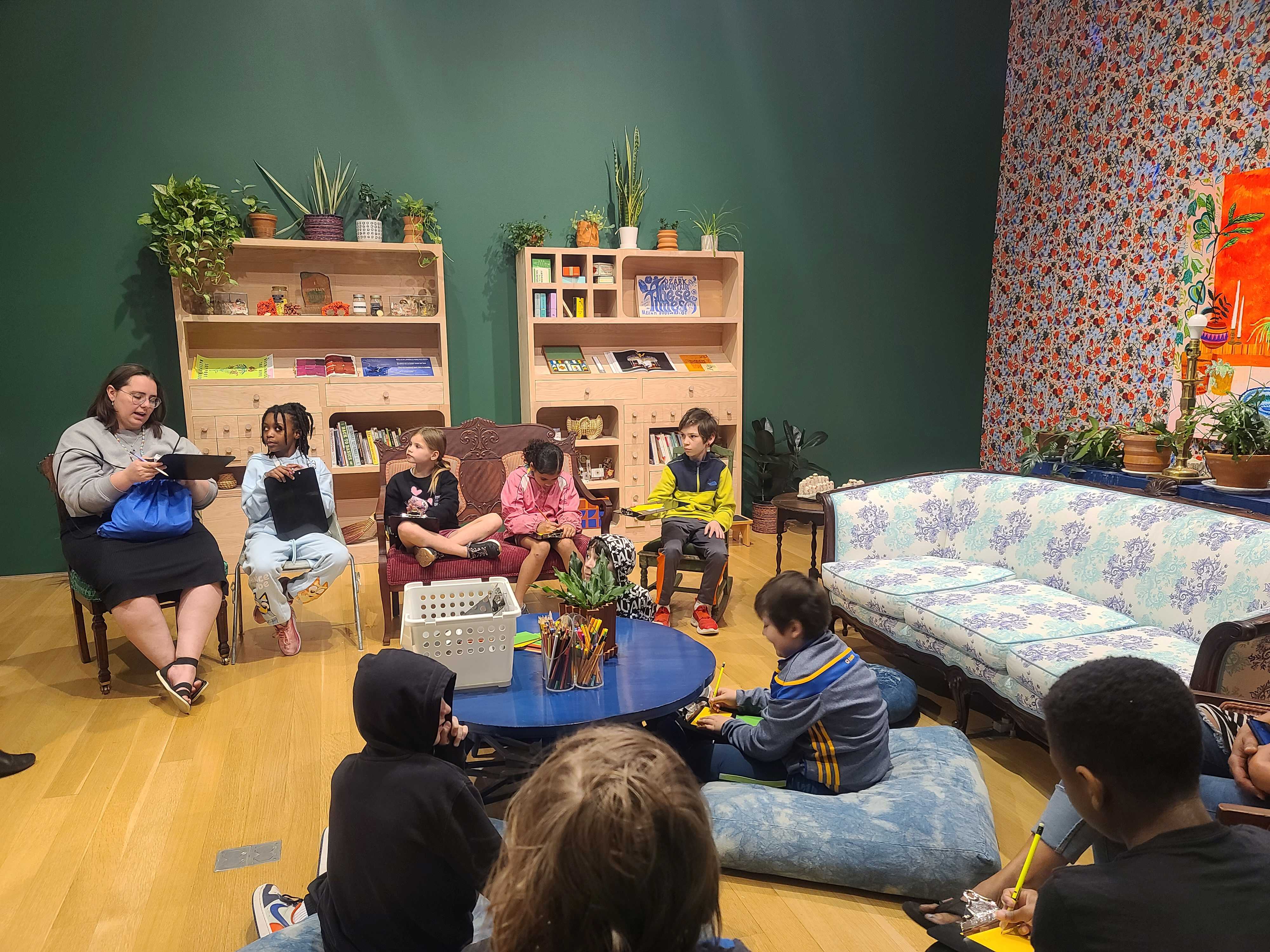 It has been amazing to see how fast folks have taken to using The Salon for Possible Futures to meet and hang out! I have seen so many students, families and community members using the space, playing games, writing in the notebooks, having meetings.
A reminder that this exhibition is activated through extensive programming, and you are invited to attend any of the programs that will be hosted each month through December. We hope to see you at a movie or karaoke night or a workshop in the weeks and months ahead!
There are a couple programs on the calendar coming up (one is tomorrow!)
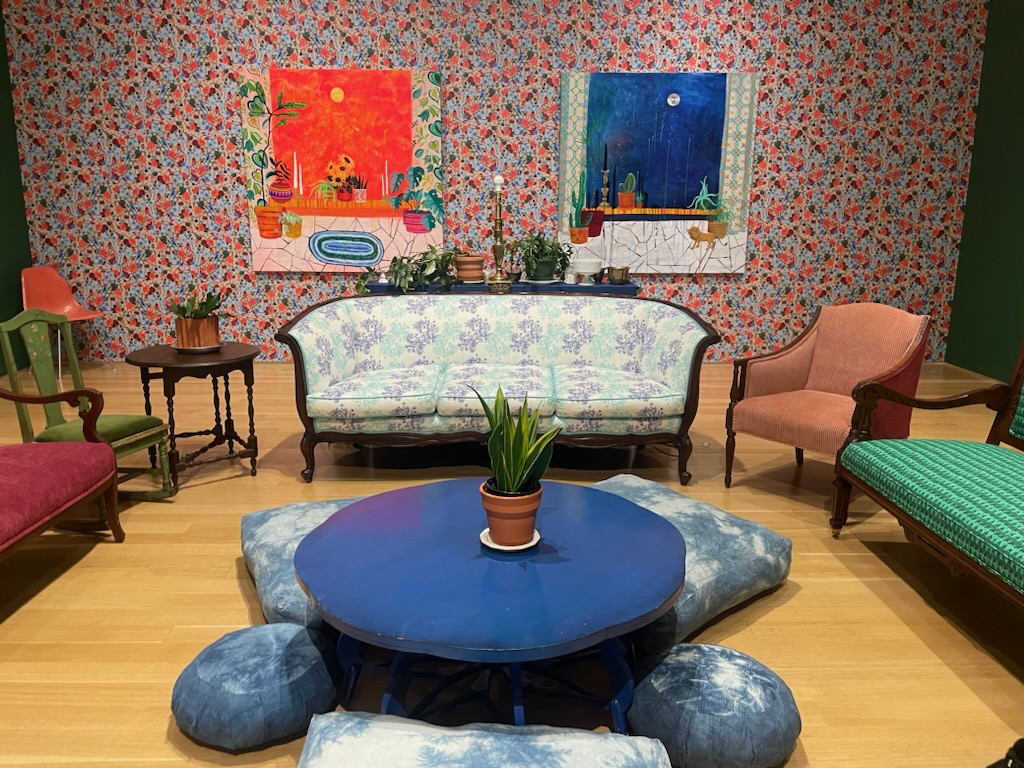
A Match Made in Heaven!
Attendance is up, people are spreading the word about the exhibition and bringing their friends! As we welcome more people to the museum, we are adding more resources and options for engagement.
Just this last 2 weeks we’ve hosted groups from local middle and high schools, homeschoolers, the National Museum of Women in the Arts, numerous JCCC classes and the JCCC student sustainability committee to name only the folks who attended guided tours (and in spite of the snow days!)
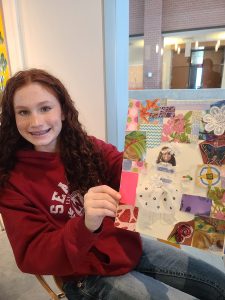
Middle school student fashion design, inspired by tour
We’re looking forward to announcing more activities and resources soon.
As was announced at the talk on Feb 6, there was a review in Vogue magazine here
And mark your calendar, if you are a fan of fashion and wish to support JCCC Fashion students, there is the annual student fashion show coming up Friday, April 18
We’re gearing up for a BIG exhibition!
It’s been a hive of activity at the museum since we re-opened Jan 2. There have been hundreds of pedestals being built, floating shelves installed, giant paintings hung, mannequins assembled and dressed, and so much more (including a wall being moved from inside the gallery to out in the lobby). It is impossible to express in words just how packed with creativity this show is going to be! On our exhibition page
Don’t forget to mark your calendar for the opening talk Feb 6th: Katherine Bernhardt x Jeremy Scott Artists Talk | Nerman Museum of Contemporary Art
Perhaps, like me, you hadn’t heard of Jeremy Scott or Katherine Bernhardt before. Here is a brief bio page for them both to get started:
A documentary about Jeremy: Jeremy Scott: The People’s Designer – Wikipedia 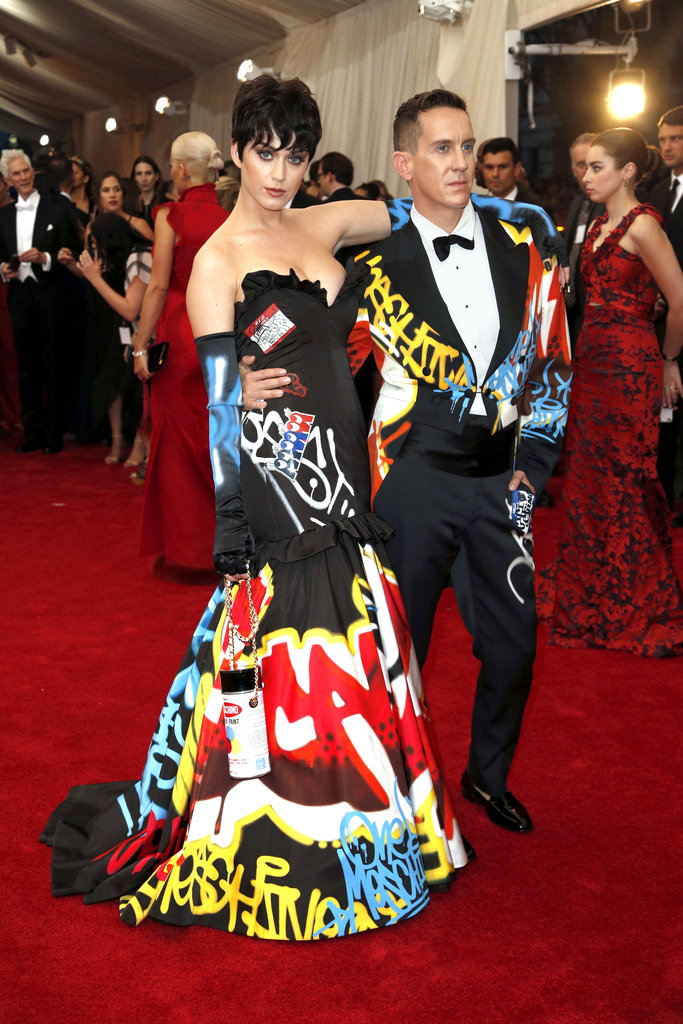 Jeremy Scott and Katie Perry at MET Gala (NY Times)
About the chandelier dress: Katie Perry Chandelier Dress (Vogue)
A recap (with images) of some of the most exciting designs Jeremy made during his tenure at Moschino: Jeremy Scott’s designs 2013-2023 (Business Insider)
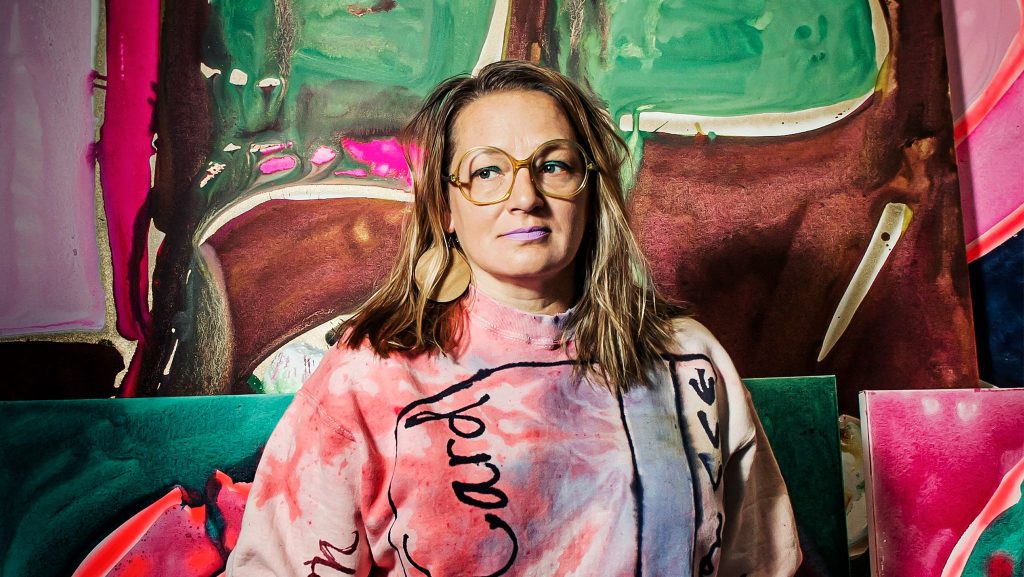 Katherine’s gallery:
Katherine Bernhardt at David Zwirner Gallery
An interesting article about her home: Katherine Bernhardt’s amazing home (T-magazine)
A video of her discussing her work and process: Katherine Bernhardt (Apartmento Magazine)
Interview with Katherine in St. Louis Magazine: Both written and audio interview
More info and images to come!
Happy Winter! Reminder: Museum Closes for JCCC Break
Our temporary exhibitions may all be closed, but there continues to be a flurry of activity every day preparing for 2025! A reminder that we’ll be closed to the public after tomorrow until the new year, Dec 21-Jan 1, open again on Jan 2!
We’ve updated the “On View at the Museum” to reflect the many changes to what is on view inside the museum now. Whenever a huge exhibition is being prepared, there is a game of Tetris that is played with moving other art objects to make room, both in the galleries and in storage. It is all very exciting and we’re looking forward to sharing more details and photos in 2025!
In taking down the Actions for the Earth exhibition we had one time-sensitive task to handle, which was removing the live plants in such a way that they could be transplanted and transported to the greenhouse. When we went to start this process, we realized just how happy some of those plants have been – they may not have all gotten tall since August, but their root systems are amazing!
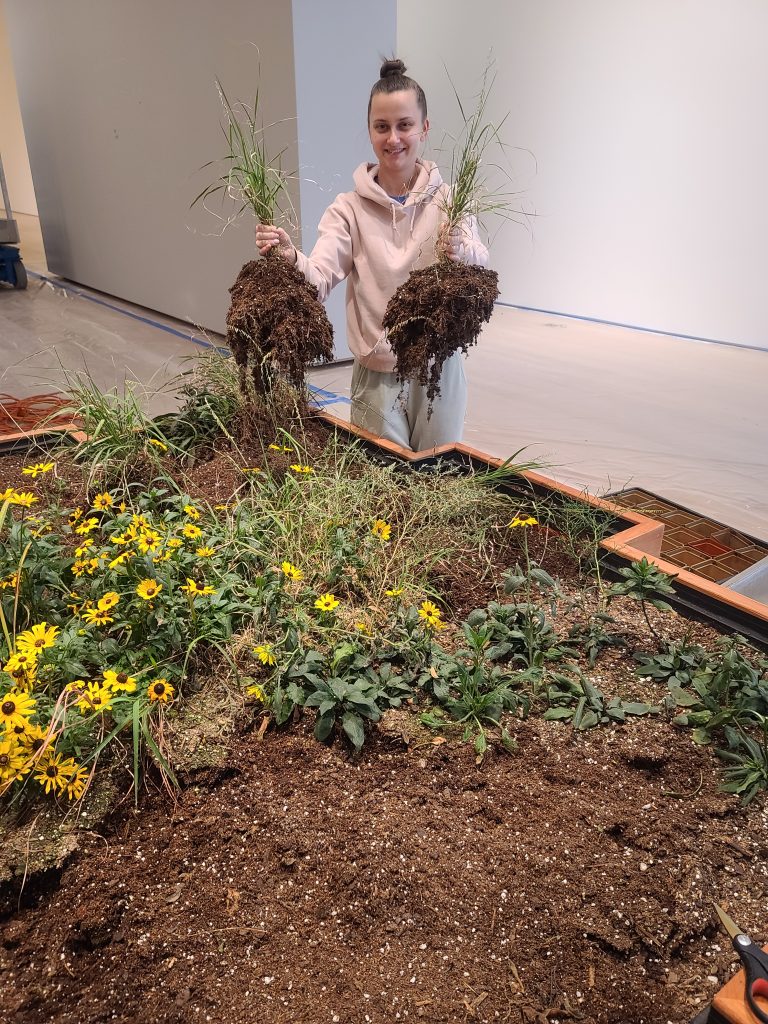
With the help of our exhibition tech team, we were able to get them safely stowed for winter and will be looking forward to planting them on the JCCC campus in spring!
Other MacArthur Fellows associated with JCCC and the Nerman Museum
Did you know that aside from 2024 MacArthur Fellows Ebony G. Patterson and Wendy Red Star, and 2023 MacArthur Fellows Dyani White Hawk and Raven Chacon, the museum has works by several other Fellows in our collection, and have exhibited or hosted several more? Check them out below!
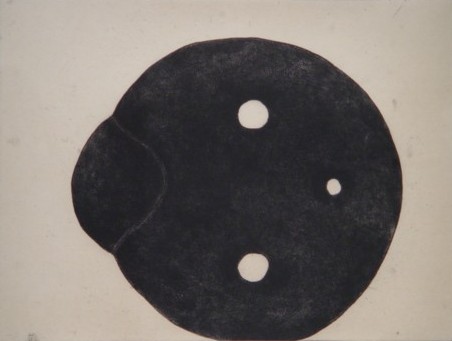
Martin Puryear, Untitled, 1999, etching and aquatint on chine collé, 27 x 32 in. Collection Nerman Museum of Contemporary Art, Johnson County Community College, Overland Park, KS
In addition to having Puryear’s Untitled being part of our collection, this artist was also part of additions/editions in 2000, in JCCC’s Former Gallery of Art.
Guillermo Gómez-Peña – 1991 Fellow
The Nerman Museum, in collaboration with Charlotte Street, hosted Gomez-Peña’s La Pocha Nostra for The Mex Files: A Divination Ritual in 2023.
Wendy Ewald – 1992 Fellow and Dawoud Bey – 2017 Fellow
Bey and Ewald were featured in the 1997 exhibition, Portraits, at JCCC’s Former Gallery of Art.
Kerry James Marshall – 1997 Fellow
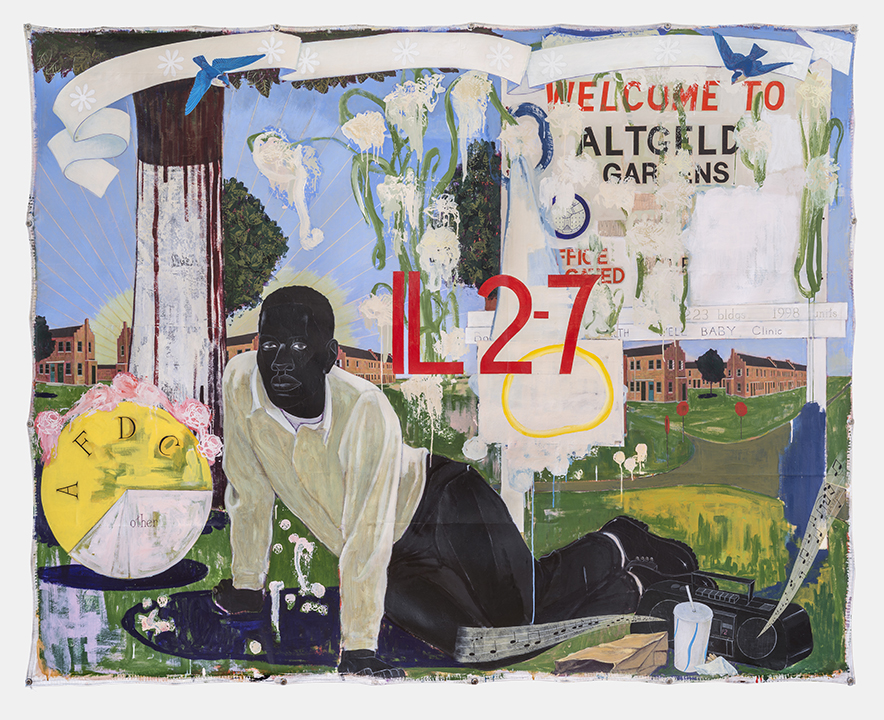
Kerry James Marshall, Untitled (Altgeld Gardens), 1995, acrylic and collage on canvas, 79 x 103 in. Collection Nerman Museum of Contemporary Art, Johnson County Community College, Overland Park, KS. Photo: EG Schempf
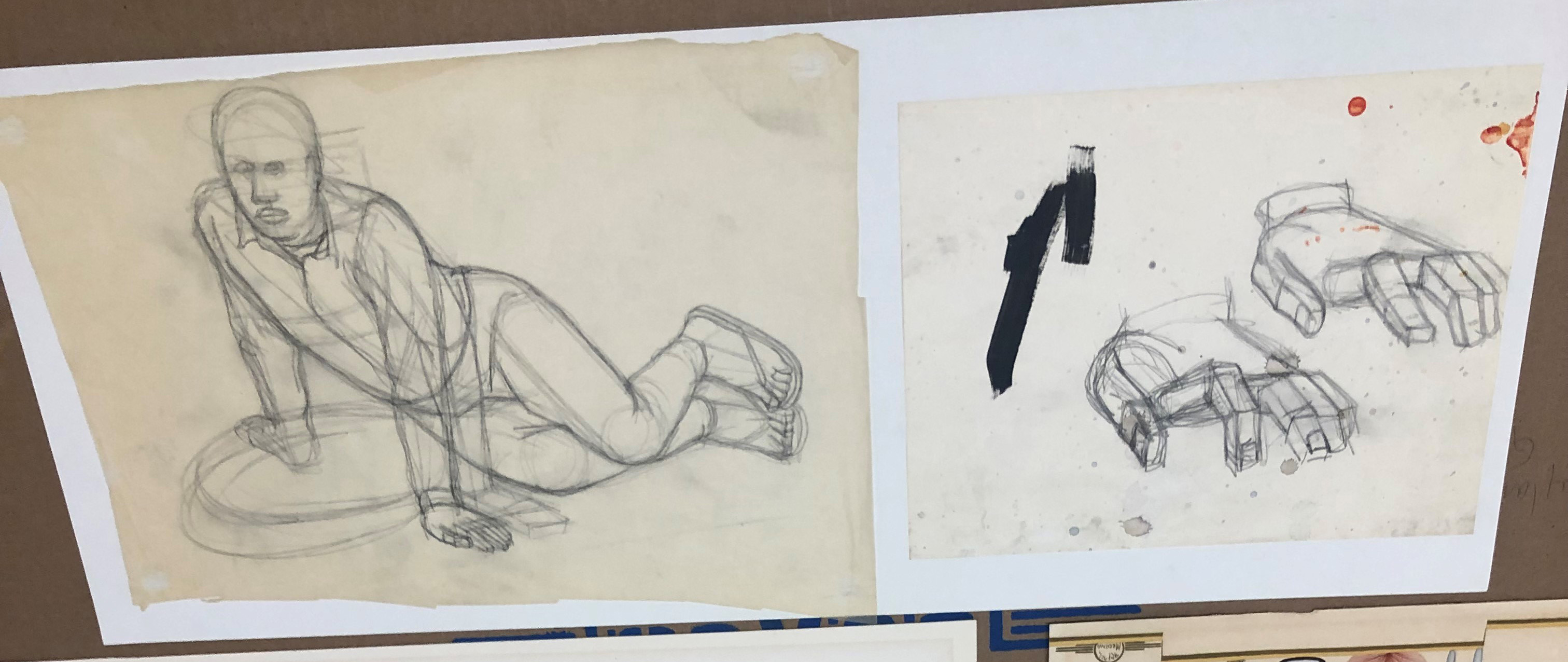
Kerry James Marshall, Studies for Untitled (Altgeld Gardens), 1995, pencil on paper, 11 x 15 1/2 in. and 8 1/2 x 11 in. Collection Nerman Museum of Contemporary Art, Johnson County Community College, Overland Park, KS, Gift of Jack Shainman Gallery, New York, NY
In addition to Marshall’s Untitled (Altgeld Gardens) and Studies for Untitled (Altgeld Gardens) being part of our collection, this artist was also part of several exhibitions at JCCC’s Former Gallery of Art:
- Kerry James Marshall (1995)
- View/Review (1995)
- A Community Collection · Selected Acquisitions (1996)
- InSite · Constructing the JCCC Collection (1999)
- Snapshot · JCCC Collection (2001)
Elizabeth Murray – 1999 Fellow
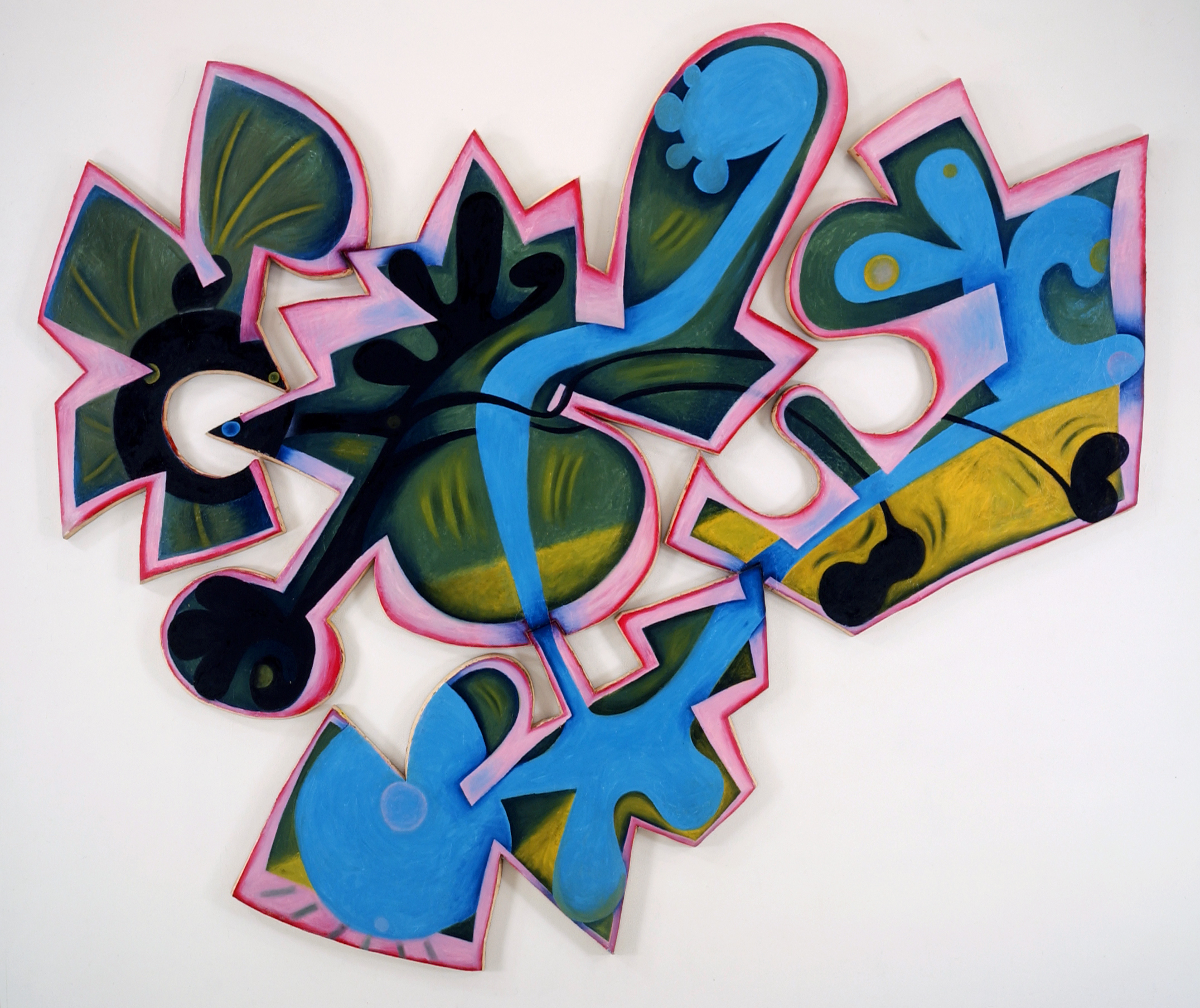
Elizabeth Murray, Landing, 1999, oil on canvas, 115 x 138 in. Collection Nerman Museum of Contemporary Art, Johnson County Community College, Overland Park, KS, Gift of JCCC Gallery Associates
In addition to Murray’s Landing being part of our collection, this artist was also part of several exhibitions at JCCC’s Former Gallery of Art:
- Universal Limited Art Editions (1991)
- Elizabeth Murray (1993)
- View/Review (1995)
- InSite · Constructing the JCCC Collection (1999)
- Snapshot · JCCC Collection (2001)
In March of 2024, we also hosted a gallery talk about Landing with Jason Andrews, who worked for Murray’s estate.
JCCC’s Former Gallery of Art presented Khedoori’s first institutional exhibition in 1996.
JCCC’s Former Gallery of Art presented Josiah McElheny · Works 1994-2000 in 2001.
Bradford was part of queer abstraction in 2019-2020.
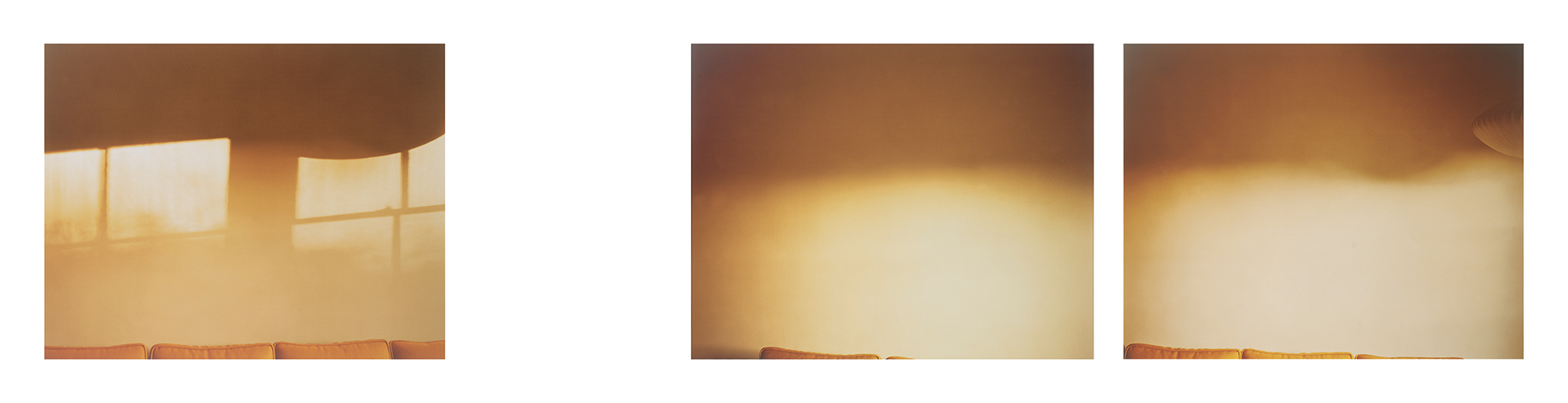
Uta Barth, Untitled (aot 5) from … and of time, 2000, triptych, color photographs, 35 1/4 x 44 1/4 in. Collection Nerman Museum of Contemporary Art, , Johnson County Community College, Overland Park, KS, Gift of Marti and Tony Oppenheimer and the Oppenheimer Brothers Foundation
In addition to Barth’s Untitled (aot 5) from … and of time being part of our collection, this artist was also part of several exhibitions at JCCC’s Former Gallery of Art and at the Nerman Museum:
- Uta Barth · nowhere near (2000)
- New View (2005)
- Gimme Shelter (2010)
- PhotograpHER (2023)
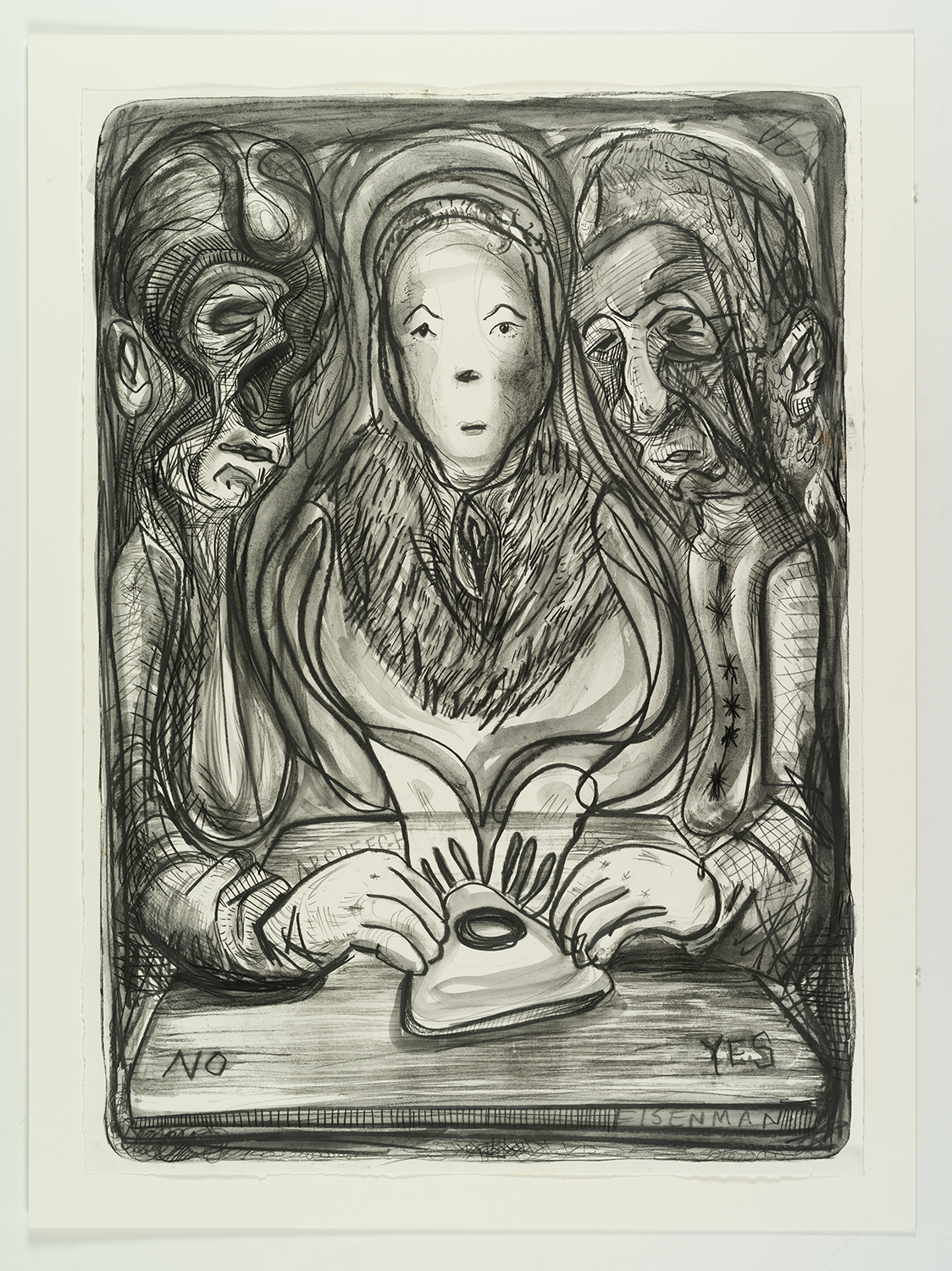
Nicole Eisenman, Ouija, 2014, charcoal, ink, graphite on paper, 36 1/4 x 17 in. Collection Nerman Museum of Contemporary Art, Johnson County Community College, Overland Park, KS, Gift of the H Tony and Marti Oppenheimer Foundation
Eisenman was also part of the Nerman Museum’s REVEAL · Works from the Collection exhibition, which was on view in 2014-2015.
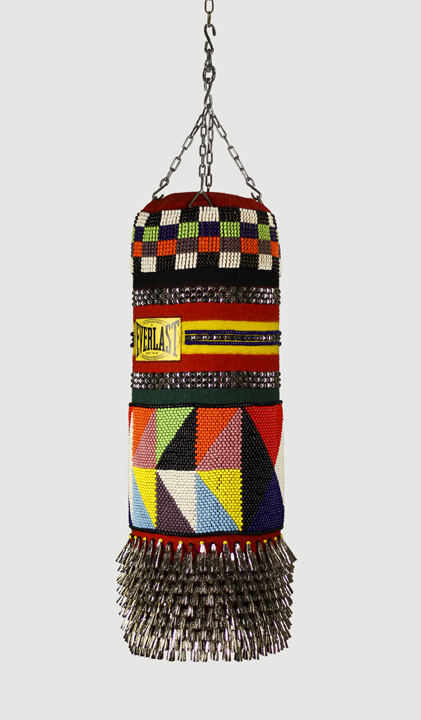
Jeffrey Gibson, American Girl, 2013, found punching bag, wool blanket, glass beads, steel studs, artificial sinew, tin jingles and chain, 43 x 16 x 16 in. Collection Nerman Museum of Contemporary Art, Johnson County Community College, Overland Park, KS, Gift of the H Tony and Marti Oppenheimer Foundation. Photo: EG Schempf
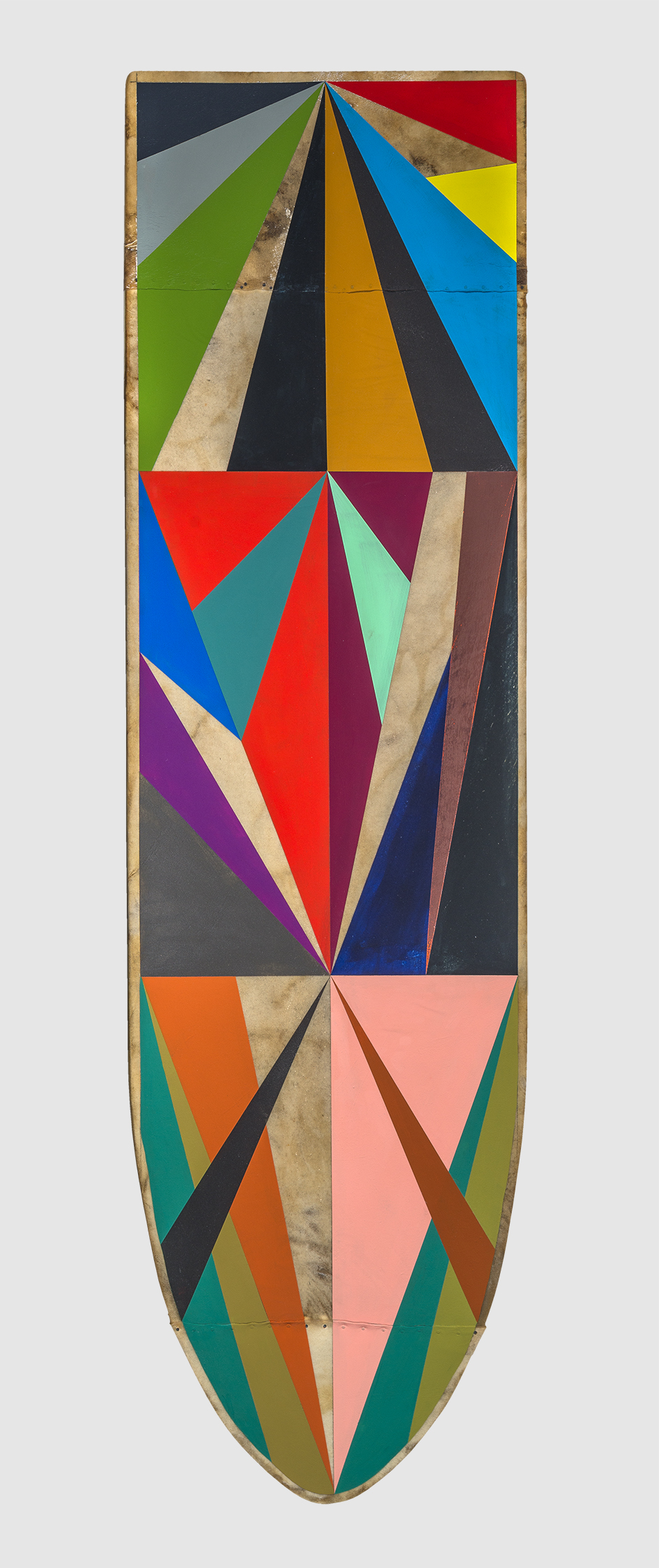
Jeffrey Gibson, Shield, number 1, 2012, found wood ironing board, deer hide, nails, acrylic paint, 58 x 15 3/4 in. Collection Nerman Museum of Contemporary Art, Johnson County Community College, Overland Park, KS, Acquired with funds provided by the Barton P. and Mary D. Cohen Art Acquisition Endowment of the JCCC Foundation. Photo: EG Schempf
In addition to Gibson’s American Girl and Shield, number 1 being part of our collection, this artist was also part of several exhibitions at the Nerman Museum:
- Contemporary American Indian Art · The Nerman Museum Collection (2014)
- REVEAL · Works from the Collection (2014-2015)
- Convene (2016)
- A Dazzling Decade (2017)
- Monarchs: Brown and Native Contemporary Artists in the Path of the Butterfly (2019)
We also have a NMOCA InSight video about Shield, number 1.
Wendy Red Star Announced as 2024 MacArthur Fellow
Wendy Red Star was recently announced as one of the 2024 MacArthur Fellows, sometimes also referred to as the “genius grant.” The Nerman Museum owns several of her works:
-
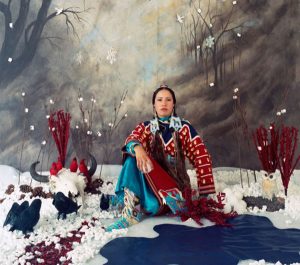
- Wendy Red Star, Winter (from the series Four Seasons) , 2006, archival pigment print on Museo silver rag on Dibond, 35 1/2 x 40 in. Collection Nerman Museum of Contemporary Art, Johnson County Community College, Overland Park, KS
-
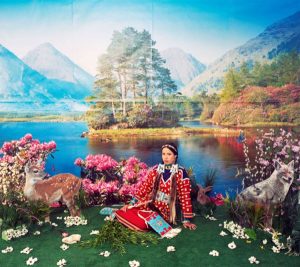
- Wendy Red Star, Spring (from the series Four Seasons), 2006, archival pigment print on Museo silver rag on Dibond, 35 1/2 x 40 in. Collection Nerman Museum of Contemporary Art, Johnson County Community College, Overland Park, KS
-
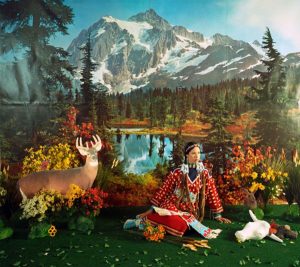
- Wendy Red Star, Indian Summer (from the series Four Seasons), 2006, archival pigment print on Museo silver rag on Dibond, 35 1/2 x 40 in. Collection Nerman Museum of Contemporary Art, Johnson County Community College, Overland Park, KS
-
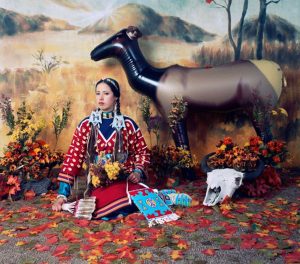
- Wendy Red Star, Fall (from the series Four Seasons), 2006, archival pigment print on Museo silver rag on Dibond, 35 1/2 x 37 in. Collection Nerman Museum of Contemporary Art, Johnson County Community College, Overland Park, KS
-
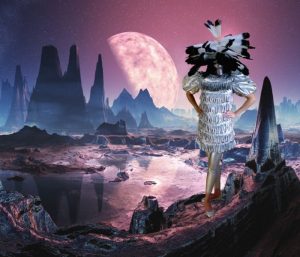
- Wendy Red Star, Medicine Rock Child, 2011, pigment print, 28 x 31 in. Collection Nerman Museum of Contemporary Art, Johnson County Community College, Overland Park, KS, Gift of Dr. Loren Lipson
-

- Wendy Red Star, Untitled (silver), 2011, fabric and tin jingles, 34 x 32 x 12 in. Collection Nerman Museum of Contemporary Art, Johnson County Community College, Overland Park, KS. Photo: EG Schempf
Red Star has also been featured in a some of our exhibitions!
- Contemporary American Indian Art · The Nerman Museum Collection (2014)
- Monarchs: Brown and Native Contemporary Artists in the Path of the Butterfly (2019)
- Adorned (2022-2023)
- PhotograpHER (2023)
Wendy Red Star also gave an artist talk at the Museum:
Learn more about her MacArthur Fellow award: