Digital Collection Catalog – Scenario Questions

Wondering how to get students acquainted with research catalogs? The Nerman Museum staff has compiled prompts to help those new to our digital permanent collection catalog platform get acquainted with the various types of search and filter options!

Using Advanced Search:
How many pieces of turquoise jewelry are on display in the library?

Using “Browse by Featured Collection” and filter side bar:
How many pieces in the Oppenheimer Collection are also part of the Native American Collection?

Using Advanced Search:
How many pieces in the collection have glitter?

Using the simple search bar:
Is your favorite piece on view?  If so, where can one find it on campus?
Answer Key | Learn more about our resources

Digital Permanent Collection Catalog and other resources

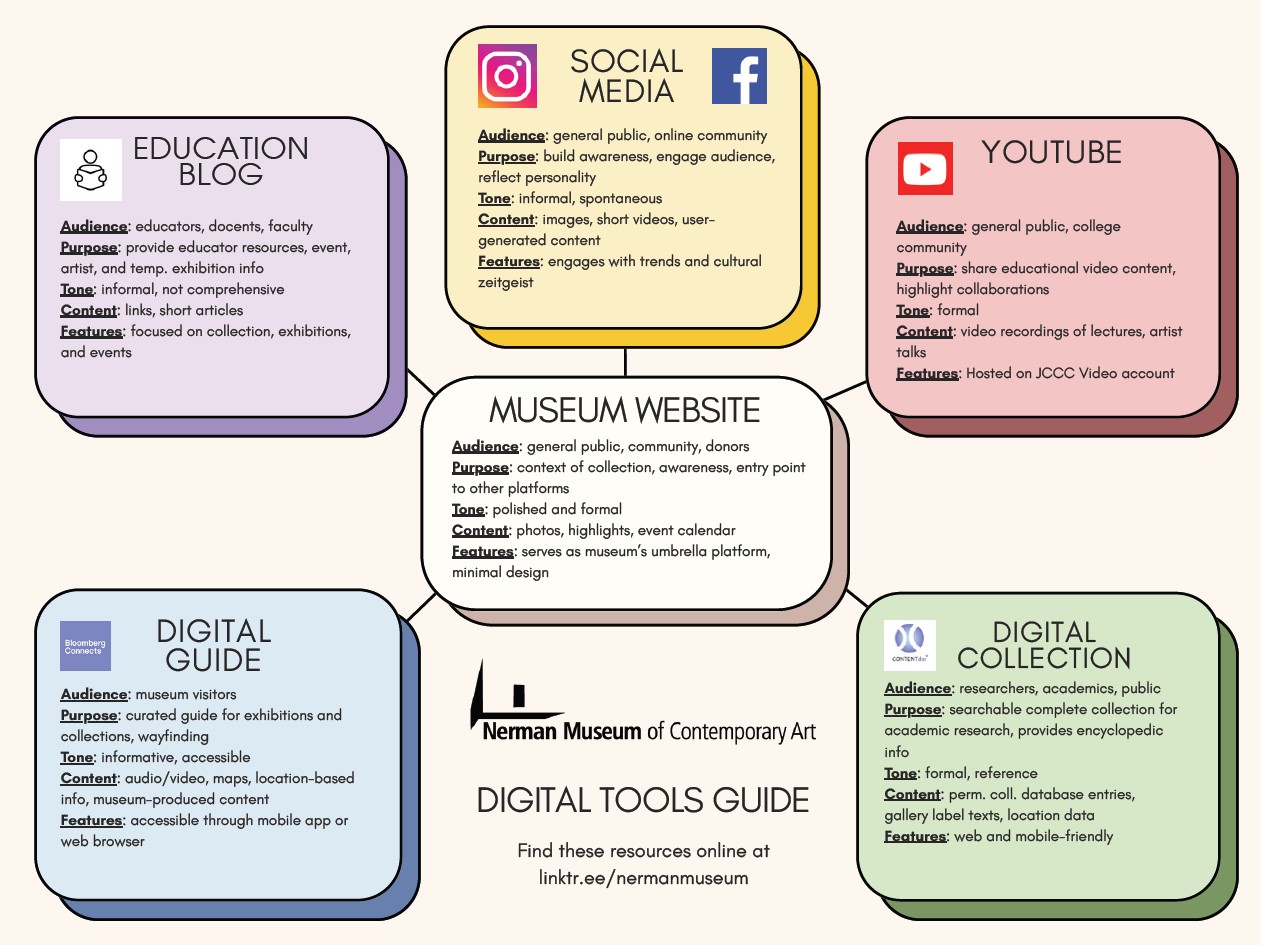
Our wonderful Registration team has launched the first iteration of our Digital Permanent Collection Catalog – a searchable resource that contains the full listing of all works in our collection, including information on what’s on view across campus. With this addition, we now have a robust set of resources, allowing educators, students, and community members to easily find information related to our artwork. Here’s a quick run down on all available digital tools:

MUSEUM WEBSITE

  • Audience: general public, community, donors
  • Purpose: context of collection, awareness, entry point to other platforms
  • Tone: polished and formal
  • Content: photos, highlights, event calendar
  • Features: serves as museum’s umbrella platform, minimal design

DIGITAL COLLECTION CATALOG

  • Audience: researchers, academics, public
  • Purpose: searchable complete collection for academic research, provides encyclopedic information
  • Tone: formal, reference
  • Content: permanent collection database entries, gallery label texts, location data
  • Features: web and mobile-friendly

DIGITAL GUIDE

  • Audience: museum visitors
  • Purpose: curated guide for exhibitions and collections, wayfinding
  • Tone: informative, accessible
  • Content: audio/video, maps, location-based info, museum-produced content
  • Features: accessible through mobile app or web browser

EDUCATION BLOG

  • Audience: educators, docents, faculty
  • Purpose: provided educator resources, event, artist, and temporary exhibition information
  • Tone: informal, not comprehensive
  • Content: links, short articles
  • Features: focused on collection, exhibitions, and events

YOUTUBE

  • Audience: general public, college community
  • Purpose: share educational video content, highlight collaborations
  • Tone: formal
  • Content: video recordings of lectures, artist talks
  • Features: Hosted on JCCC Video account

SOCIAL MEDIA (such as Instagram and Facebook)

  • Audience: general public, online community
  • Purpose: Build awareness, engage audience, reflect personality
  • Tone: Informal, spontaneous
  • Content: images, short videos, user-generated content
  • Features: engages with trends and cultural zeitgeist

Find these resources and more online at linktr.ee/nermanmuseum

If you have any feedback about these tools, please share it with us!

Chart of the various artwork resources for the Nerman Museum

Need this information in a printable format? Download our Nerman Museum Digital Tools Guide (.pdf).


Stories on Tours – incorporating picture books

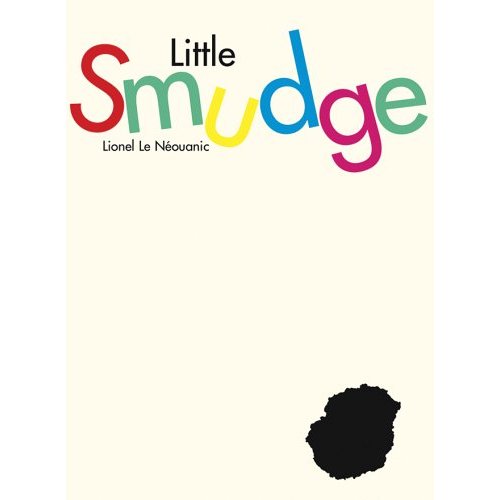
We love using storybooks to discuss art!

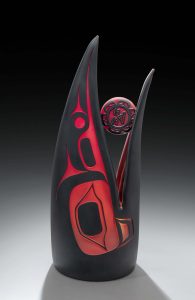
Raven: A Trickster Tale from the Pacific Northwest is a great picture book to use when discussing Preston Singletary’s Raven Steals the Moon:

Preston Singletary (b. 1963)
Raven Steals the Moon, 2007
Glass, blown and sand carved


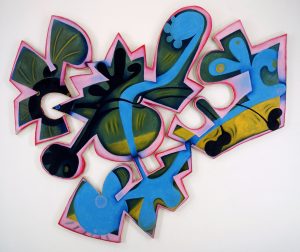
Ish is a lovely book to use to introduce the idea that art doesn’t have to be perfect or representational, and that we all see art in our own way. We often read it near the Elizabeth Murray painting LandingIsh picture book read aloud


Elizabeth Murray (1940 – 2007), Landing, 1999, Oil on four canvases


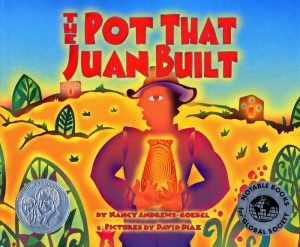
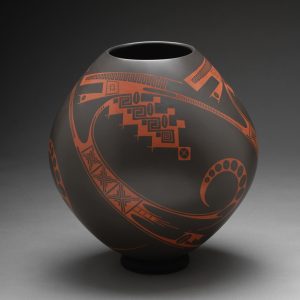
The Pot that Juan Built is all about Juan Quezada Celado and his process, check in out!: The Pot that Juan Built read aloud (this one looks long, but the 2nd half is reading the afterward about the artist, which we don’t do on tours, but is worth watching for your own knowledge)

Juan Quezada Celado (b. 1940)
Red on Black Jar, 1999
Polychrome clay, 12 x 11.75″

These are just a few of the books we use regularly on our tours for children, especially groups that are K-2nd grade.

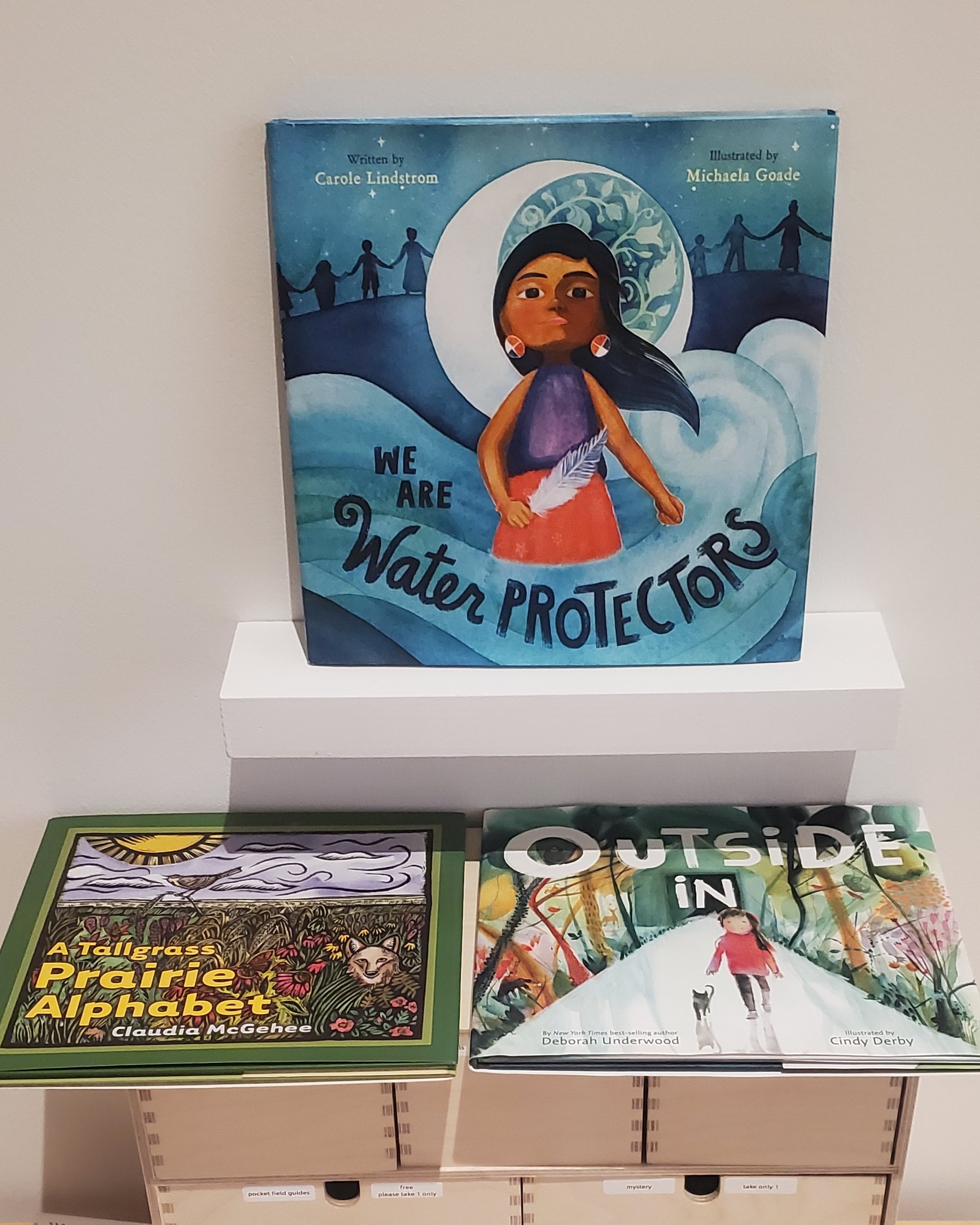
We are often able to find picture books that relate to special installations and temporary exhibitions as well. Right now in Actions for the Earth we have several picture books in the exhibition space itself, so families can read while they visit:


Zines! Let’s talk Elements and Principles

We’ve been into zines recently here at the Nerman, with both a lichens and an embroidery zine featured in the Actions for the Earth exhibition currently on view. Running with that, we developed a couple zines for discussing the Elements of Art and Principles of Design. Enjoy!

Elements and Principles Zine (PDF)

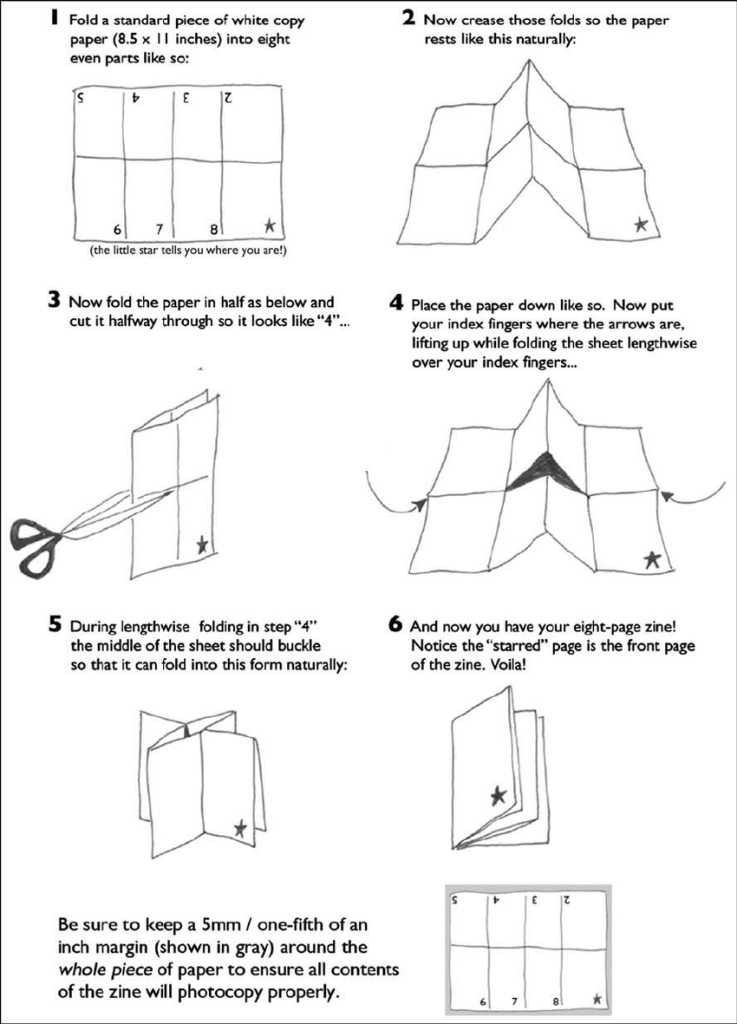
And if you’ve never folded a zine before, here’s some instructions:

Developing Inclusive Tours – resources from other institutions

There are a lot of great resources from fellow arts institutions on developing and implementing inclusive tour practices. Here are just a few that have been recommended to us:

Inclusive Language Guide (PDF)

Tour Toolkit (artsmia.github.io) extensive guide to developing inclusive tours from the Minneapolis Institute of Art

Creating Inclusive Tours: Five Strategies for Engaging English Learning Visitors in Museums – American Alliance of Museums (aam-us.org)

Nerman Museum Digital Guide Announcement

Mock up of Nerman Museum Bloomberg Connects guide on a mobile phone

The Nerman Museum just launched their digital guide on Bloomberg Connects. This mobile guide allows people to plan their visit, enhance their on-site experience, and access audio and video content related to our exhibitions and permanent collection items. This guide also provides multilingual support, powered by Google Translate and is accessible and compatible with a variety of assistive technologies. Learn more and download the digital guide.

Art-Related Careers

On Nov. 1, 2023, the Nerman Museum hosted a Young Artists Retreat, aimed at high school seniors, to allow them to learn more about careers in the arts. Below is the Art-Related Careers overview information shared in their programs. Download this list in PDF format.

Art-related Careers

Independent Artists:

  • Artist: uses diverse mediums to create works such as sculptures, paintings, murals, installations and photographs. Artists who are working full-time professionally often have a studio team.
  • Studio assistant or manager: works with artists to successfully plan and create works, logistical aspects of sending artworks to clients, administrative responsibilities.

Museum and Non-profit Arts Organization Roles:

  • Director: provides the leadership and vision for the institution, strategic planning, fundraising and overseeing both internal and external affairs. Some directors also work as/with curators.
  • Curator: responsible for putting together exhibitions, through researching and selecting works that speak to each other through some sort of common thread. In the institutional setting, this may involve working with exhibition designers, collection managers and the interpretation team among others. Many exhibitions take years to pull together.
  • Exhibition Designer: helps curators and artists bring their vision to life in the complex setting of museum and gallery installations.
  • Preparator: works with exhibition designers to build and install exhibitions and collections.
  • Learning & Engagement: focuses on using art as a medium for learning—not only about topics related to a classroom curriculum, but also to better understand the world.
  • Marketing & Communications: collaborates with artists, designers, educators and administrators to share information about art exhibitions, programs and events.
  • Interpretation: creates resources that help audiences understand and connect with the art, often in collaboration with curators, educators and independent writers.
  • Programs: works with artists, administrators and others to develop and implement programming that relates to art exhibitions.
  • Registration & Collections Management: ensures the safety and care of the art collection, managing loans of artworks, conservation efforts, storage and information about the collection.
  • Development: spearheads donor relations and fundraising for the institution which can include managing programs and travel associated with donor events and financial management.
  • Archives/Library: many institutions have a research library or archive that may be digitally available that serves as a resource for artists, curators, educators and students.
  • Visitor or Guest Services: works with front-of-house staff to ensure visitors feel welcome.

Gallerists and Independent Curators:

  • Gallerist or Curator: responsible for putting together exhibitions, through researching and selecting works that speak to each other through some sort of common thread.
  • Art Dealer: acts as an intermediary between buyers and sellers but may not have a gallery or curatorial role.
  • Auction Houses: major art auction houses are an important part of the art market, and there are various roles involved in valuation, appraisal and selling of artworks.

Higher Education:

  • Professor: teaches fine arts or studio arts at the college level. Most professors have a Ph.D. or terminal degree (MFA) in their subject area.

Independent Contractors:

  • Writer: bring the world to life through words—be it in poetry, essays, journals or other outlets and writing styles.
  • Installation and art handling: many art handlers work with museums, galleries or private collectors to move and install works safely, which may involve assisting with shipping artworks.
  • Photography: artists and institutions often work with professional photographers to get good images of their artwork.
  • Web design: artists and institutions often work with professional web designers to create engaging platforms for their content.
  • Conservator: highly specialized, conservators typically have in-depth knowledge about a particular type of media (textiles, painting, etc.) and have some scientific background also.

Commercial Arts: There are many opportunities to use art skills and experience in the commercial sector, whether it be for a particular company or as an independent contractor or businessperson. Below is a list of just a few of the many fields available. Most require specialized training and education.

  • Fashion design
  • Graphic design
  • Industrial design
  • Illustration
  • Animation
  • Architecture
  • Interior design
  • Printmaking
  • Set and costume design
  • Filmmaking