



JCCC Dept. of English
Office: LIB 342
913-469-8500, ext. 3448
Blog editor: Mark BrowningArchives
- March 2026
- November 2025
- October 2025
- September 2025
- May 2025
- April 2025
- March 2025
- February 2025
- January 2025
- December 2024
- November 2024
- October 2024
- September 2024
- February 2024
- December 2023
- October 2023
- April 2023
- March 2023
- February 2023
- January 2023
- October 2022
- September 2022
- May 2022
- April 2022
- March 2022
- January 2022
- November 2021
- October 2021
- September 2021
- June 2021
- April 2021
- March 2021
- February 2021
- December 2020
- November 2020
- October 2020
- September 2020
- June 2020
- May 2020
- April 2020
- March 2020
- February 2020
- January 2020
- November 2019
- October 2019
- September 2019
- August 2019
- June 2019
- May 2019
- April 2019
- March 2019
- February 2019
- January 2019
- November 2018
- October 2018
- September 2018
- August 2018
- May 2018
- April 2018
- March 2018
- February 2018
- January 2018
- December 2017
- August 2016
- January 2016
- August 2014
- March 2014
- September 2013
- August 2013
- April 2013
- January 2013
- December 2012
- August 2012
- May 2012
Honors Catalog
- Honors Contract: Comp I
- Honors Contract: Comp II
- Honors Contract: Introduction to Literature
- Honors Contract: Introduction to Fiction
- Honors Contract: Children’s Literature
- Honors Contract: Creative Writing
- Honors Contract: Creative Writing Workshop
- Honors Contract: Masterpieces of the Cinema
- Honors Contract: World Masterpieces
- Honors Contract: British Literature I
- Honors Contract: British Literature II
Habits of Creative Folks
18 Things Highly Creative People Do Differently
http://www.huffingtonpost.com/2014/03/04/creativity-habits_n_4859769.html
Carolyn Gregoire 3/4/12
[Carolyn Gregoire is a features editor at the Huffington Post. She has spoken at TEDx and the Harvard Public Health Forum, and appeared on MSNBC and The TODAY Show. She graduated from McGill University in Montreal, where she studied philosophy and English literature.]
Creativity works in mysterious and often paradoxical ways. Creative thinking is a stable, defining characteristic in some personalities, but it may also change based on situation and context. Inspiration and ideas often arise seemingly out of nowhere and then fail to show up when we most need them, and creative thinking requires complex cognition yet is completely distinct from the thinking process.
Neuroscience paints a complicated picture of creativity. As scientists now understand it, creativity is far more complex than the right-left brain distinction would have us think (the theory being that left brain = rational and analytical, right brain = creative and emotional). In fact, creativity is thought to involve a number of cognitive processes, neural pathways and emotions, and we still don’t have the full picture of how the imaginative mind works.
And psychologically speaking, creative personality types are difficult to pin down, largely because they’re complex, paradoxical and tend to avoid habit or routine. And it’s not just a stereotype of the “tortured artist” — artists really may be more complicated people. Research has suggested that creativity involves the coming together of a multitude of traits, behaviors and social influences in a single person.
“It’s actually hard for creative people to know themselves because the creative self is more complex than the non-creative self,” Scott Barry Kaufman, a psychologist at New York University who has spent years researching creativity, told The Huffington Post. “The things that stand out the most are the paradoxes of the creative self … Imaginative people have messier minds.”
While there’s no “typical” creative type, there are some tell-tale characteristics and behaviors of highly creative people. Here are 18 things they do differently.
They daydream.
Creative types know, despite what their third-grade teachers may have said, that daydreaming is anything but a waste of time.
According to Kaufman and psychologist Rebecca L. McMillan, who co-authored a paper titled “Ode To Positive Constructive Daydreaming,” mind-wandering can aid in the process of “creative incubation.” And of course, many of us know from experience that our best ideas come seemingly out of the blue when our minds are elsewhere.
Although daydreaming may seem mindless, a 2012 study suggested it could actually involve a highly engaged brain state — daydreaming can lead to sudden connections and insights because it’s related to our ability to recall information in the face of distractions. Neuroscientists have also found that daydreaming involves the same brain processes associated with imagination and creativity.
They observe everything.
The world is a creative person’s oyster — they see possibilities everywhere and are constantly taking in information that becomes fodder for creative expression. As Henry James is widely quoted, a writer is someone on whom “nothing is lost.”
The writer Joan Didion kept a notebook with her at all times, and said that she wrote down observations about people and events as, ultimately, a way to better understand the complexities and contradictions of her own mind:
“However dutifully we record what we see around us, the common denominator of all we see is always, transparently, shamelessly, the implacable ‘I,'” Didion wrote in her essay On Keeping A Notebook. “We are talking about something private, about bits of the mind’s string too short to use, an indiscriminate and erratic assemblage with meaning only for its marker.”
They work the hours that work for them.
Many great artists have said that they do their best work either very early in the morning or late at night. Vladimir Nabokov started writing immediately after he woke up at 6 or 7 a.m., and Frank Lloyd Wright made a practice of waking up at 3 or 4 a.m. and working for several hours before heading back to bed. No matter when it is, individuals with high creative output will often figure out what time it is that their minds start firing up, and structure their days accordingly.
They take time for solitude.
“In order to be open to creativity, one must have the capacity for constructive use of solitude. One must overcome the fear of being alone,” wrote the American existential psychologist Rollo May.
Artists and creatives are often stereotyped as being loners, and while this may not actually be the case, solitude can be the key to producing their best work. For Kaufman, this links back to daydreaming — we need to give ourselves the time alone to simply allow our minds to wander.
“You need to get in touch with that inner monologue to be able to express it,” he says. “It’s hard to find that inner creative voice if you’re … not getting in touch with yourself and reflecting on yourself.”
They turn life’s obstacles around.
Many of the most iconic stories and songs of all time have been inspired by gut-wrenching pain and heartbreak — and the silver lining of these challenges is that they may have been the catalyst to create great art. An emerging field of psychology called post-traumatic growth is suggesting that many people are able to use their hardships and early-life trauma for substantial creative growth. Specifically, researchers have found that trauma can help people to grow in the areas of interpersonal relationships, spirituality, appreciation of life, personal strength, and — most importantly for creativity — seeing new possibilities in life.
“A lot of people are able to use that as the fuel they need to come up with a different perspective on reality,” says Kaufman. “What’s happened is that their view of the world as a safe place, or as a certain type of place, has been shattered at some point in their life, causing them to go on the periphery and see things in a new, fresh light, and that’s very conducive to creativity.”
They seek out new experiences.
Creative people love to expose themselves to new experiences, sensations and states of mind — and this openness is a significant predictor of creative output.
“Openness to experience is consistently the strongest predictor of creative achievement,” says Kaufman. “This consists of lots of different facets, but they’re all related to each other: Intellectual curiosity, thrill seeking, openness to your emotions, openness to fantasy. The thing that brings them all together is a drive for cognitive and behavioral exploration of the world, your inner world and your outer world.”
They “fail up.”
Resilience is practically a prerequisite for creative success, says Kaufman. Doing creative work is often described as a process of failing repeatedly until you find something that sticks, and creatives — at least the successful ones — learn not to take failure so personally.
“Creatives fail and the really good ones fail often,” Forbes contributor Steven Kotler wrote in a piece on Einstein’s creative genius.
They ask the big questions.
Creative people are insatiably curious — they generally opt to live the examined life, and even as they get older, maintain a sense of curiosity about life. Whether through intense conversation or solitary mind-wandering, creatives look at the world around them and want to know why, and how, it is the way it is.
They people-watch.
Observant by nature and curious about the lives of others, creative types often love to people-watch — and they may generate some of their best ideas from it.
“[Marcel] Proust spent almost his whole life people-watching, and he wrote down his observations, and it eventually came out in his books,” says Kaufman. “For a lot of writers, people-watching is very important … They’re keen observers of human nature.”
They take risks.
Part of doing creative work is taking risks, and many creative types thrive off of taking risks in various aspects of their lives.
“There is a deep and meaningful connection between risk taking and creativity and it’s one that’s often overlooked,” contributor Steven Kotler wrote in Forbes. “Creativity is the act of making something from nothing. It requires making public those bets first placed by imagination. This is not a job for the timid. Time wasted, reputation tarnished, money not well spent — these are all by-products of creativity gone awry.”
They view all of life as an opportunity for self-expression.
Nietzsche believed that one’s life and the world should be viewed as a work of art. Creative types may be more likely to see the world this way, and to constantly seek opportunities for self-expression in everyday life.
“Creative expression is self-expression,” says Kaufman. “Creativity is nothing more than an individual expression of your needs, desires and uniqueness.”
They follow their true passions.
Creative people tend to be intrinsically motivated — meaning that they’re motivated to act from some internal desire, rather than a desire for external reward or recognition. Psychologists have shown that creative people are energized by challenging activities, a sign of intrinsic motivation, and the research suggests that simply thinking of intrinsic reasons to perform an activity may be enough to boost creativity.
“Eminent creators choose and become passionately involved in challenging, risky problems that provide a powerful sense of power from the ability to use their talents,”write M.A. Collins and T.M. Amabile in The Handbook of Creativity.
They get out of their own heads.
Kaufman argues that another purpose of daydreaming is to help us to get out of our own limited perspective and explore other ways of thinking, which can be an important asset to creative work.
“Daydreaming has evolved to allow us to let go of the present,” says Kaufman. “The same brain network associated with daydreaming is the brain network associated with theory of mind — I like calling it the ‘imagination brain network’ — it allows you to imagine your future self, but it also allows you to imagine what someone else is thinking.”
Research has also suggested that inducing “psychological distance” — that is, taking another person’s perspective or thinking about a question as if it was unreal or unfamiliar — can boost creative thinking.
They lose track of the time.
Creative types may find that when they’re writing, dancing, painting or expressing themselves in another way, they get “in the zone,” or what’s known as a flow state, which can help them to create at their highest level. Flow is a mental state when an individual transcends conscious thought to reach a heightened state of effortless concentration and calmness. When someone is in this state, they’re practically immune to any internal or external pressures and distractions that could hinder their performance.
You get into the flow state when you’re performing an activity you enjoy that you’re good at, but that also challenges you — as any good creative project does.
“[Creative people] have found the thing they love, but they’ve also built up the skill in it to be able to get into the flow state,” says Kaufman. “The flow state requires a match between your skill set and the task or activity you’re engaging in.”
They surround themselves with beauty.
Creatives tend to have excellent taste, and as a result, they enjoy being surrounded by beauty.
A study recently published in the journal Psychology of Aesthetics, Creativity, and the Arts showed that musicians — including orchestra musicians, music teachers, and soloists — exhibit a high sensitivity and responsiveness to artistic beauty.
They connect the dots.
If there’s one thing that distinguishes highly creative people from others, it’s the ability to see possibilities where other don’t — or, in other words, vision. Many great artists and writers have said that creativity is simply the ability to connect the dots that others might never think to connect.
In the words of Steve Jobs:
“Creativity is just connecting things. When you ask creative people how they did something, they feel a little guilty because they didn’t really do it, they just saw something. It seemed obvious to them after a while. That’s because they were able to connect experiences they’ve had and synthesize new things.”
They constantly shake things up.
Diversity of experience, more than anything else, is critical to creativity, says Kaufman. Creatives like to shake things up, experience new things, and avoid anything that makes life more monotonous or mundane.
“Creative people have more diversity of experiences, and habit is the killer of diversity of experience,” says Kaufman.
They make time for mindfulness.
Creative types understand the value of a clear and focused mind — because their work depends on it. Many artists, entrepreneurs, writers and other creative workers, such as David Lynch, have turned to meditation as a tool for tapping into their most creative state of mind.
And science backs up the idea that mindfulness really can boost your brain power in a number of ways. A 2012 Dutch study suggested that certain meditation techniques can promote creative thinking. And mindfulness practices have been linked withimproved memory and focus, better emotional well-being, reduced stress and anxiety, and improved mental clarity — all of which can lead to better creative thought.
Posted in Uncategorized
Comments Off on Habits of Creative Folks
Archive 9-12-13
The header is a section of a painting posted on DailyPainters.com
Blog Updated: September 12, 2013
Schedule of Campus-wide Meetings Important to English
• A Joyful Social Note:
Sophia Rose Buchwitz, the very new granddaughter of Prof. Steve Gerson, was born 9/9/13, at 6:19 a.m.
7 lb., 4 oz., 18 inches tall.

Steve’s haiku in celebration of this event:
Sophia’s Song
Loveshine blooms a rose,
Bud swaddled in branch embrace,
A flowering dream.
• A Community College Professor’s Life:
During the semester, various members of the Division of English and Journalism will share their thoughts on our profession:
Essay 5: Nathan Jones: Finding a Better Place (9/11/13)
Essay 4: Andrea Broomfield: The First Week Out (8/28/13)
Essay 3: Keith Geekie: Thoughts on Knots (8/28/13)
Essay 2: Mark Browning: Nickeled and Dimed to Life (8/26/13)
Essay 1: Andrea Broomfield: Before the Semester Begins (8/15/13)
• Gribbon Lecture at Labette Community College, Oct. 4

The Gribbon Lecture is Friday, October 4, 2013. The guest speaker is Dr. Chris Thaiss of the University of California at Davis. The title of his presentation is “Writing for Transfer: Increasing Student Motivation and Preparing Students for Present and Future Needs.”
For more information on the lecture click here.
• A Shakespeare performance Recommendation from Steve, The Shakespeare Guy
Starting next Friday (9/20), Great Performances on PBS will be broadcasting The Hollow Crown, new productions of Shakespeare’s Richard II, Henry IV parts I and II, and Henry V. They actually used some scenes from these productions in last spring’s Shakespeare Uncovered, if you happened to catch that. I know not all of us are sitting at home on Friday nights, hoping for something Shakespeary, but it looks excellent:
Steve
• Distinguished Service Award Application Due October 15
Nomination/Application: Distinguished Service Award
For Additional Information: Staff and Organizational Development, [email protected] or ext. 7654
• Kayla is back!
Kayla, our Federal Works Study student from last year, has returned.
Her hours will be M/W/F 8:00 – 10:00; T/R 8:00 – 9:00; noon – 2:00.
• Desire2learn Training Opportunities
You can sign up for classes from this page: http://tinyurl.com/d2l-train

• Conversation Partners Program in EAP
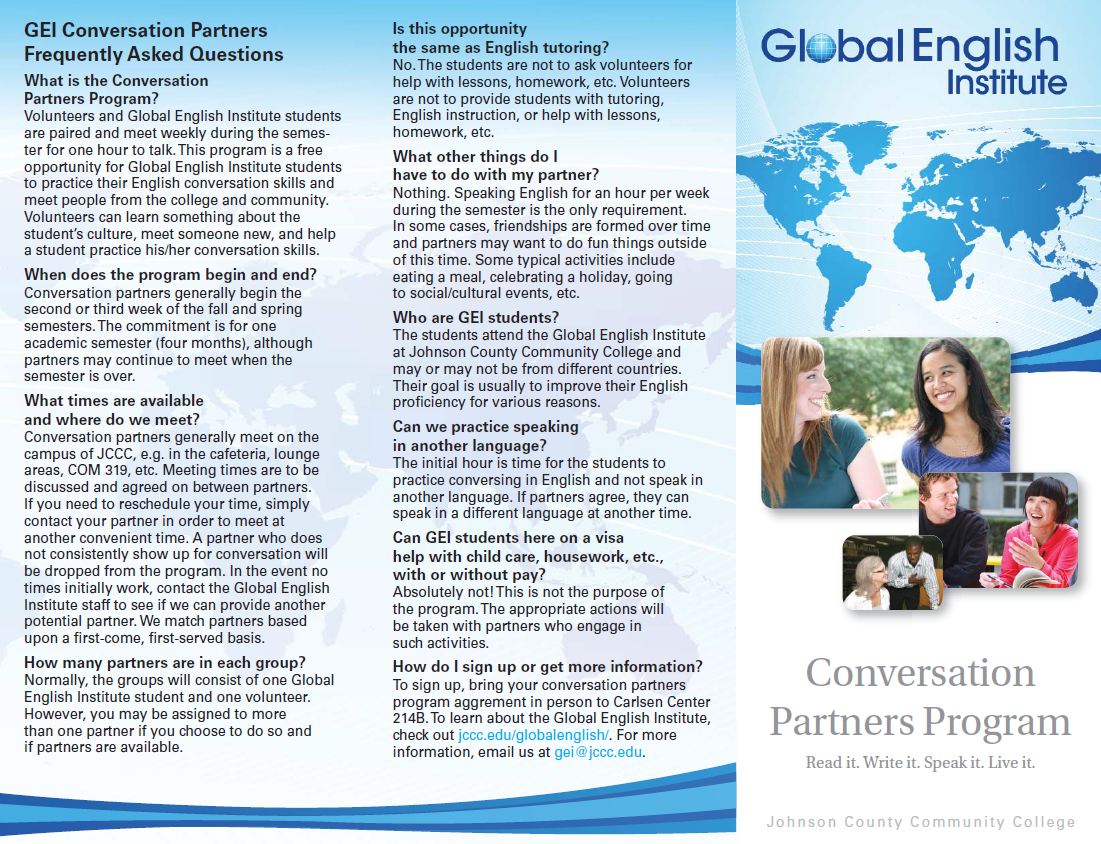
See the sign-up form here
• Creative Writing Readings are coming up!

The remaining campus readings this semester are:
Wednesday, October 30, 12:00-12:50, COM 319, with host Danny Alexander
Wednesday, November 20, 12:00-12:50, COM 319, with host Matthew Schmeer
• Booktalk Meets Friday, September 27
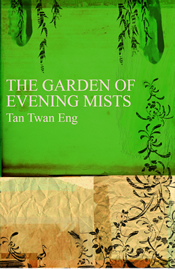
Friday, September 27 – Garden of the Evening Mists by Tan Twan Eng
• JCCC Helps with Stop Hunger Now Campaign
On September 27, JCCC will team up with Stop Hunger Now (SHN) to package a goal of 20,000 highly nutritious meals, which SHN will send to their international distribution partners.
Volunteers are needed to help package and load meals!
Friday, September 27, 2013
10 a.m. – 12 p.m.
Hospitality and Culinary Academy
Johnson County Community College
Overland Park, KS
Sign up as an individual or a team. Volunteer shifts are one hour; sign up for one or both! Registrants will be informed after the event as to which of SHN’s international distribution partners received JCCC’s packaged meals.
You can also donate to JCCC’s SHN meal packaging fundraiser! At only 25 cents a meal, $5 will feed 20 people!
Snacks will be provided for volunteers by Campus Life!
Sign up and/or donate!
Or donate funds or a requested food item to JCCC’s Food Pantry!
• Mark Your Calendars: Greater Kansas City Japan Festival October 5

At JCCC. See Photos from last year: http://www.kcjapanfestival.com/photos/
• Teaching Volunteers Sought for the NCTE: National Day of Writing: October 20, 2013
Maureen reports that the English Department is still looking for people who might be interested in giving a mini-writing workshop with a short, fun writing exercise on Monday, October 21st. Times are flexible.
If you haven’t looked at the academic calendar, that day also happens to be the first day of early enrollment for Spring 2014, so if you are teaching a class this spring and would like an opportunity to promote your class to students . . .

On Monday, October 21, in honor of the Day on Writing (which is technically Sunday, October 20), we (the English Department) are hoping to offer a slate of ten short, 20-25-minute, mini-, writing workshops.
Each workshop would be presented by one or more instructor—they would walk participants through a writing task or prompt. Each short workshop should allow the participants to generate a completish (but unpolished) piece of writing from the genre of the presenters choice—flash poetry, flash fiction, flash non-fiction, getting started on a family history, visualization maps or even language-intensive exercises–anything that leads to little gems of words. The workshops will be open to anyone on campus.
Birgit has reserved CC 234 for us, which will accommodate a large number of people, but since we haven’t done this before, we don’t know how many this might attract.
If you would have the time, inclination, and a writing activity that would fit into this format, please respond to Sam Bell ([email protected]) or Maureen Fitzpatrick ([email protected]) We would need 10 volunteers to offer workshops from 10:00-3:00, and we hope to get some variety in the offerings. If we have more than 10, we will be flustered, but try to figure out how to include the greatest variety of writing experiences for the participants.
The “proposal form” is below. More information is better than less, but incomplete proposal is appreciated more than no proposal! A word document version is attached if that is your preference.
Since we want to start promoting the event by the later part of mid-September, the deadline to know at least the genre is Monday, September 9. Please include:
_______________________________________
Name:
Co-presenter (if any):
Genre:
End Product (what will participants walk out with):
Breakdown of 20-25 minutes (i.e. 5-minute intro + 10 minutes writing + 5 minute pair share OR whatever):
Please list your preferred times:
1st choice:
2nd choice:
3rd choice:
A different workshop will be scheduled every 30 minutes from 10:00 – 3:00 (2:00 if we don’t have people for the last hour). If there are more proposals than we can fit, we’ll talk about if we should do this next semester as well.
• Journalism Hosts Panel Discussion
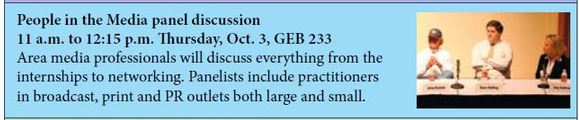
For a complete list of Journalism Department activities this fall click here
• Strengths Training at JCCC: Check It Out

• Learn about the CCCC National Listening Tour, Sponsored in part by TYCA
Framework for Success in Postsecondary Writing
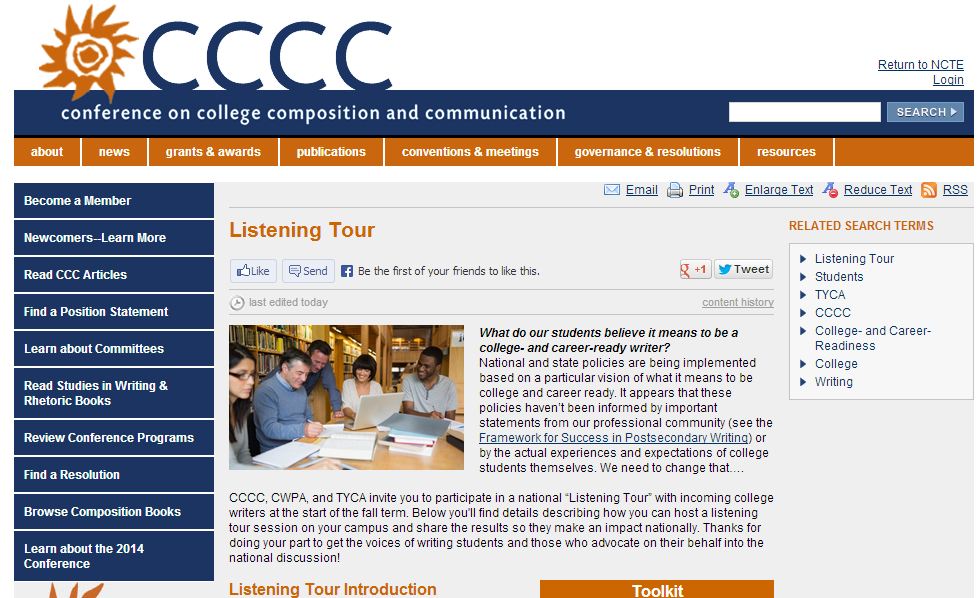
http://www.ncte.org/cccc/listening-tour?roi=echo4-23457041160-22225799-5bc5579d1e85c82a05f03563f0b5a59a&
• Booktalk Meeting Schedule
Booktalk dates for 2013-14:
Friday, September 27 – Garden of the Evening Mists by Tan Twan Eng
Friday, October 25 – Flight Behavior by Barbara Kingsolver
Friday, November 22 – Black like Me by John Howard Griffen
Friday, January 24 – The Golem and the Jinni by Helene Wecker (paper 1/7/14)
Friday, February 28 – The Devil in the Grove by Gilbert King
Friday, March 28 – A Tale for the Time Being by Ruth Ozeki (paper 12/31/13)
Friday April 25 – The Girls of the Atomic City by Denise Kiernan (paper 3/4/14)
• English Faculty Members Are Urged to Read New Statement on Machine Scored Writing
Andy Anderson reports:
I wanted to share the NCTE position statement on machine grading endorsed at our executive board meeting this past weekend. It addresses many of the issues recently discussed on our Comp I list serve.
http://www.ncte.org/positions/statements/machine_scoring
You can also find a list of NCTE position statements in the left column of the above web page.
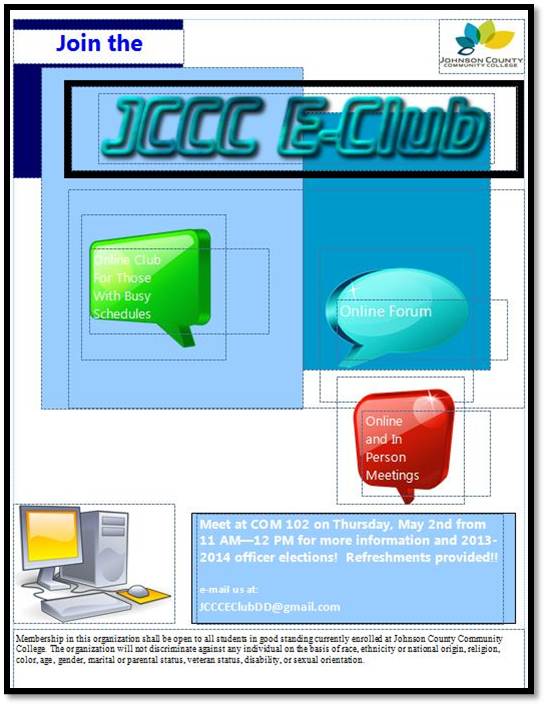
• Asking Students to Join the JCCC e-Club
The new e-Club will be sponsored by Diane Davis is now an official college organization. Please ask your online students in the fall if they would like to join.
e-mail at: [email protected]
Posted in Uncategorized
Leave a comment
Essay 3: Keith Geekie –Thoughts on Knots
Thoughts on Knots
by Keith Geekie, Professor of English
A few weeks ago, I agreed to bring home a very large box of costume jewelry that had belonged to my sister, who passed away in July. The jewelry collection was a tangled, dusty mixture of at least ninety necklaces from various decades, much of it plastic, along with assorted non-matching bracelets, a few battered antiques from the family’s past, and individual earrings, which, like socks, had strayed far from their mates.
The accumulated total must have weighed about ten pounds. The jewelry, I have since learned, has a value of practically nothing. I pretty much knew that when I brought it home. And at the time when I first had the box in my hands, I was tempted to just give the whole shebang away to Good Will. But some pieces of the jewelry had sentimental value, such as my father’s mother’s wedding ring, or my grandfather’s key chain which included a disc citing his membership in a carpenter’s union in 1906, so I dutifully brought the box home. Anything else would have seemed like a family betrayal.
While sorting through this glitzy chaos, I came across one little necklace with a thin silver chain and tiny blue, ice-cube-like beads, which caught my fancy. This strange piece, which I had never seen before, was in a tangle. From a practical standpoint, or from an aesthetic one, or from any other standpoint one might take, the necklace was worthless. But I decided to untangle it. I must have spent over an hour trying to untie the thin, tarnished chain that had been in the bottom of a dusty box, with its knots that had been knotted so many decades ago.
As I was working with tweezers, and, believe it or not, a magnifying glass, I asked myself, quite naturally, “Why am I doing this?” It was a phenomenal waste of time, and I was irritated with myself. But I then began making up reasons for my irrational behavior. I concluded at last that I wanted to see the necklace–that was suffering–become un-suffered. I wanted to free the necklace from its knots. The little chain could then become again what it was meant to be. I also felt, I’m sorry to say, that I was deeply embedded in John Locke’s Labor Theory of Value. A thing, according to Locke, has value in proportion to the amount of labor it takes to produce it. So according to Locke, the more time I wasted sitting there with my tweezers, the more value I was acquiring. I was also thinking that the necklace might have value according to the theory of proximity. What if Virginia Woolf’s infamous snail on the wall still existed? Well, it would fetch a pretty penny at a Christie’s auction, wouldn’t it–even if it is a humble snail–simply because it was in the room with Virginia, in her proximity, and was the occasion for her famous essay “A Mark on the Wall.”
So my little chain could acquire value because I was the one who untied it, and were I to rise to the pinnacle of personhood by amassing a vast and fabulous fortune or were I to win a Pulitzer Prize, the little necklace could also find its way to an auction house and command a small fortune simply because it was once in my proximity. But all of this is doubtful. My little silver chain is certainly secure in its obscurity.
In my career, I have had doubtful students. I have looked at them and wondered, “What sort of knots are you in?” A few of them may have been knotted with family conflicts, workplace exhaustion, slow hates, various addictions, past histories with lousy teachers, sloth, nefarious schemes, insecurities, untapped talent, unused creativity, and under-appreciated intelligence. Yes, these are the ties that bind. Sometimes I get out my magnifying glass and my patience, and I’ll work with a student to try in some way to slightly unwind what has been wound so tightly that it has prevented the student from learning or even from caring. Sometimes I can help, and a student may become a bit more able to be who the student was meant to be.
The labor theory of value. What are our students worth? How much time do we spend unknotting them? Or then again how much of the task in front of us is simply an issue of proximity? Are we not just a few steps away from that wonderful place, out on the broad meadows, where we won’t be gone long, and the students can come too? And perhaps, on a good day, their knots will slacken, and the students, loose-limbed at last, will join us on a summer ramble. But then again, as Pasternak says, “Life is not a walk across a field.”
Posted in Uncategorized
Comments Off on Essay 3: Keith Geekie –Thoughts on Knots
Archive 4-9-13
• Model UN Team: News of Successful Writers at the College
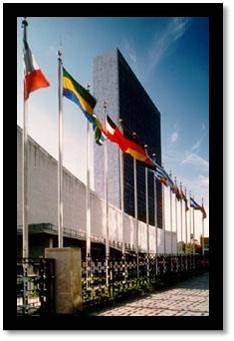
Brian Wright, Faculty Sponsor for our Model UN Team, gives the following report.
Below is the link for the awards received by JCCC at the conference. When you see all the schools who received awards and in particular the paper awards, it is quite an impressive achievement to see JCCC name listed. This experience is not just an achievement for the students participating but for JCCC overall. See following link for photos and copy of awards: http://blogs.jccc.edu/mun/2013/03/21/jccc-model-un-team-receives-awards-at-the-national-model-united-nations-conference-new-york-city
Look at the other schools which received paper awards for ECOSOC Plenary (Brigham Young, Univ. of Montreal, Univ. of Paderborn, Ludwing-Maxilians, Yousei and then JCCC) or position paper awards for the Economic Commission for Africa (California State, Santa Fe College, Pace University NYC and then JCCC). http://www.nmun.org/ny13_downloads/2013_Award_Posting_ConfA.pdf
Position Paper Awards in recognition of outstanding pre-conference preparation. The following criteria are used by the conference staff to evaluate Position Papers: Overall quality of writing, proper style, grammar, etc., Citation of relevant resolutions/documents, General consistency with bloc/geopolitical constraints, Consistency with the constraints of the United Nations, and Analysis of issues, rather than reiteration of the Committee Background Guide.
Here are links to the two papers that received awards in New York:
http://blogs.jccc.edu/mun/preperation/position-papers/nmun-2013-outstanding-position-paper-ecosoc/
http://blogs.jccc.edu/mun/preperation/position-papers/nmun-2013-zambia-outstanding-position-paper-award/
• Faculty Senate Minutes
The Faculty Senate met for a second time on Thursday, March 29.
Mission Statement: The draft of the mission statement was presented. Several members felt the section which outlined the responsibilities of the senate needed to be more specific. It was returned to committee for further work. Click here to read the complete minutes from the meeting
The Minutes include a discussion of AQIP, By-Laws, an Adjunct Affairs Committee, and future issues.
Dave Davis, Maureen Fitzpatrick and Lorie Paldino are the E/J Division Representatives to the Faculty Senate, and Lorie wrote up the minutes for this meeting for us. Thanks Lorie!
Next meeting: April 11, 3:15 – 4:15, Virginia Krebs Room.
• JCCC Night at the Nelson, April 19
The 16th annual JCCC Night at the Nelson-Atkins Museum of Art begins at 6 p.m. Friday, April 19, at the Nelson-Atkins Museum in Kansas City, Mo. All humanities, art history, fine arts, photography, interior design, graphic design, architecture and theatre students are invited to attend.
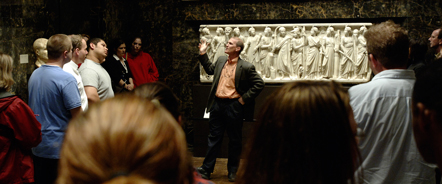
This event brings approximately 800 students and their guests to the museum for presentations by JCCC faculty members on various artworks. If you teach in one of these departments and need tickets for your students, contact Julie Hutchison at [email protected], or go to OCB 264 to pick them up.
Faculty and staff from all departments are encouraged to attend as well, and they may visit the check-in table in the Nelson’s Bloch building on the evening of the event for free tickets, or pick them up in OCB 264 in advance.
This year’s presenters are Bernard Norcott-Mahany, Denis Arjo, Jan Cummings, Jim Lane, Larry Thomas, Karen Gerety Folk, Katherine Morse, Kathleen Mendenhall, Marie Dolembo, Michael Hembree, Michael Robertson, Sean Daley, Timothy Hoare and Valerie Zell.
• Student Veterans Spoke about Democracy
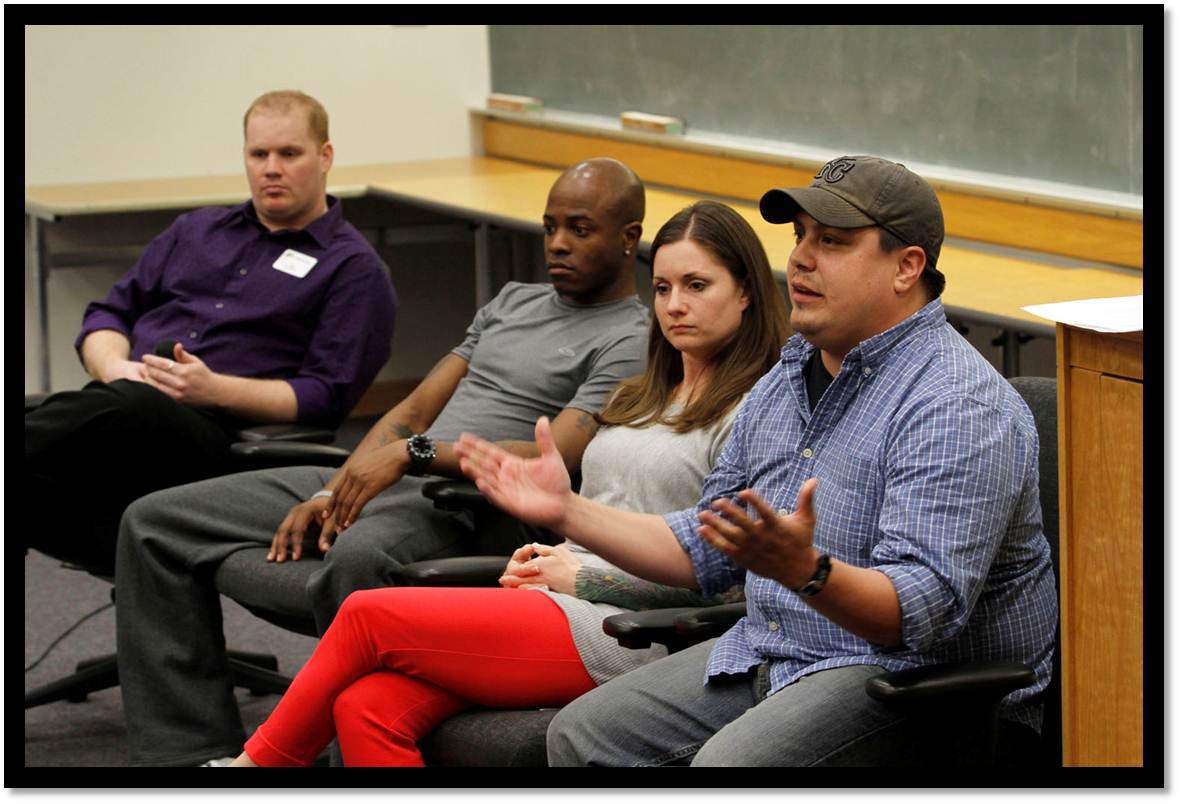
The JCCC Office of Veterans Services and the Committee for Democracy Commitment sponsored a veterans panel discussion on April 4, in CC 211.
The topic for the panel discussion was “Veterans’ Perspectives on Democracy.” The panel was composed of four veteran students who gave a little bio about themselves and then took questions from the students. The Blog editor attended this presentation and was impressed by the veterans’ knowledge of government and their quiet, calm demeanor. The students were from the Marines, National Guard, and Army. They spoke authentically and seriously about our own democratic processes, the need to protect them, and the difficulties of establishing democratic processes elsewhere. They also urged young people to become much more knowledge about local government. They shared many of their experiences in local politics overseas in Iraq, Kuwait, Afghanistan and Ethiopia.
• Filmmaker Kevin Willmott Presented His Film on April 5
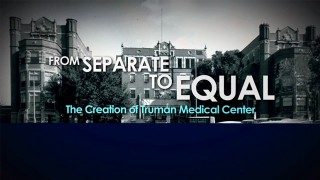
Kevin Willmott presented his film From Separate to Equal: The Creation of the Truman Medical Center at the Hudson Auditorium in the Nerman Museum 11:00 a.m. – 1:00 p.m. on April 5th.
The film can be viewed from the following page: http://www.fromseparatetoequal.org/
The movie is thematically linked to JCCC’s Common Read for 2012-13: The Immortal Life of Henrietta Lacks by Rebecca Skloot.
Lorie Paldino writes:
Thanks to Jane Stock for organizing a terrific event on Friday. Her efforts at bringing Kevin Willmott back to campus were laudable. His presentation is now available on Infoshare: https://infoshare.jccc.edu/communities/emptrain/Shared%20Documents/video/Presentations/Kevin_Willmott_040513.aspx
Thanks, as well, to the entire Common Read committee (Maureen Fitzpatrick, Monica Hogan, Steve Werkmeister, Shawn Edie) for making The Immortal Life of Henrietta Lacks a success.
I am looking forward to next year and Behind the Beautiful Forevers!
• Article from the New York Times on College Recruitment and the Rural Poor
http://www.nytimes.com/2013/03/29/opinion/elite-colleges-are-as-foreign-as-mars.html?hp&_r=0
• Cult Film Club Film for April 12
This Tuesday, Poultrygeist, 5-8 p.m., in GEB 233

• Sigma Kappa Delta News: Next Meeting, April 12
The book discussion group will be discussing The Hitchhiker’s Guide to the Galaxy at Java Jazz from 2:00-3:00. All students and faculty are welcome.
• Kansas Writers Symposium

This year’s JCCC Kansas Writers Symposium will be held on Saturday, April 13, in the Regnier Center. Sponsored by the Kansas Studies Institute, this is part of an ongoing series of efforts to promote education about the art, history, environment, cultures, and literature of Kansas. This year’s theme is “The Native Presence in Kansas Literature.” Denise Low, former Kansas Poet Laureate, will be the keynote speaker. Unlike previous years when invited authors from the humanities, social sciences, and even journalism discussed the topic of Kansas as a place and idea, this year’s symposium will be focused on a more narrow dialogue among writers whose primary work has been in fiction and poetry. Participants will include, in addition to Denise Low, Linda Rodriguez, Lisa Mann, Joshua Falleaf, Stephanie Fitzgerald, DaMaris Hill, Lisa Tatonetti, Jim Hoy, Kevin Rabas, Raylene Hinz-Penner, Pamela Dawes Dambornino, Roy Bird, and Xanath Caraza. The organizers of the event include Jim Leiker, director of the Kansas Studies Institute; Ann Rubeck; and English faculty members Sam Bell, Dave Davis, Tom Reynolds, and Farrell Jenab.
• Free College Day

Many faculty members of the E/J Division will be participating in Free College Day on April 20th. Click here to learn more about classes and registration.
• The American Association of University Professors Releases Report

The AAUP released this week a report on the Economic Status of University Professors.
http://www.aaup.org/report/heres-news-annual-report-economic-status-profession-2012-13
• The Impact of the Sequester on Education in the Tribal Lands
The following list of links are to stories about the impact of the sequester on Native American Education. This issue recently came to my attention in a discussion with a former JCCC adjunct who currently teaches on a reservation.
http://www.appropriations.senate.gov/ht-full.cfm?method=hearings.view&id=17d3dc99-c065-4bec-a7c8-cfd374bf41a3
http://articles.washingtonpost.com/2013-03-21/local/37904086_1_sequester-tribal-leaders-million-in-additional-cuts
http://www.nativenewsnetwork.com/atw-sequester-related-education-cuts-hitting-schools-on-reservations-military-bases.html
http://billingsgazette.com/news/state-and-regional/wyoming/sequester-hits-those-in-need-on-wind-river-reservation/article_a81fba89-5a8c-584c-b661-fbe975e338cd.html
http://thinkprogress.org/economy/2013/03/22/1759661/sequestration-indian-reservation-schools/?mobile=nc
http://blogs.edweek.org/edweek/rural_education/2013/03/sequester_hurts_rural_schools_on_tribal_lands.html
• Booktalk Meets April 26:
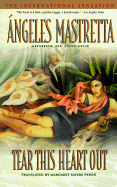
The book selection for the April 26 is Tear Out this Heart ( 304 pages) by Angeles Mastretta.
• Mind’s Eye 2013 will be out in late April.
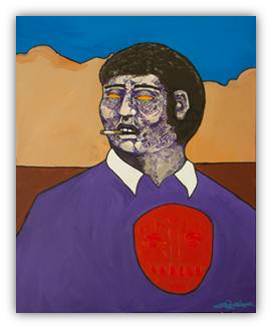
The cover image chosen by the artwork judges is “DJinnFella2” by Ryan Storek.
The student editors for the issue are Rebekah Baughman, Derick Dujardin, Austin Hoffman, and Sergio Sanchez.
“As a writer myself, I have immense respect and admiration for anyone with enough courage to share a piece of themselves with any audience, especially their peers. When evaluating creative work, one generally has no criteria to abide by, yet the pieces selected in this edition of the magazine have exceptional depth, and certain intangible factors that set them apart”
—Austin Hoffman.
The guest judge for poetry/fiction was William Sheldon, an associate professor of English at Hutchinson Community College in Hutchinson, Kansas, where he teaches creative writing. He has published three collections of poetry: Retrieving Old Bones, Into Distant Grass, and Rain Comes Riding. Student Editor Sergio Sanchez conducted an interview with him.
“I take whatever inspiration comes. You know, any port in a storm. However, walking in a field or on the Arkansas River often spark poems. But really, when I’m open, and not worried about my teaching, or the bills, or the “fiscal cliff,” or whatever, something can happen. As far as the process goes, I tend to start off scratching ideas whenever they hit, or as soon as I can get to paper, having turned some image or language over in my head while I walk along.”
–William Sheldon
Student Editor Rebekah Baughman conducted an interview with bestselling author Nancy Pickard. Mind’s Eye also received permission from the publisher to publish the first chapter of her latest novel The Scent of Rain and Lightning.
“Reading has probably meant even more to me than writing. Don’t you wonder sometimes how people get through life if they don’t like to read? Or worse, can’t read? I feel so lucky to be able to read and to love it. Writing has focused my life and given me that rare and fortunate thing–a career that feels like a ‘calling.’ It took me until I was about 35 to find this career, but when I realized it, I knew I’d be doing it for the rest of my life.”
–Nancy Pickard
The 2013 issue includes a survey of four writers from different genres, each answering the same three questions. Participating writers include Eric McHenry (poet) from Washburn University, Matthew Porubsky (poet) from Topeka, Sarah Smarsh (non-fiction writer) from Washburn University, and Lois Ruby (writer of a number of children’s and young adult novels) from Albuquerque.
“Read, read, read. Write, write, write. Believe in yourself and persist in the face of rejection and indifference. Your dedication and desire to write well are about a hundred times more important than your talent. Your brain is like a muscle; you can strengthen it by exercising it. When you write something, always imagine that the smartest person you know is going to be reading it. This will guarantee that you’ll do your best work, because you’d be embarrassed to put anything less in front of the smartest person you know, and that you’ll never patronize the reader.”
–Poet Eric McHenry
This year, the poetry section includes twenty-one works, all of which have the earmarks of good poetry—interesting use of language and the ability to surprise us, to make us think about ourselves and our world from fresh perspectives. This issue also includes a series of poems from featured student poet Wendy Dunwiddie. Wendy writes the following about her poem “Eviction”:
“In the summer of 2012, heat became a presence so constant and intense that it began to feel like a person that appeared to follow us. It seemed that heat posed with us in vacation pictures, laughed at us when we considered spending anytime outside, and delighted in being the topic of conversation. This poem considers the idea of heat becoming a real person—that obnoxious houseguest who demonstrates the unfortunate ability to irritate, while those around him anxiously await his demise.”
The fiction and non-fiction sections are also very strong, conveying their narratives in prose that is often surprising and always compelling. Standouts include Michael J. Baker’s compelling and taut “Dr. Neumann” and L.F. Miller’s amusing “Raising Chinchillas.” Our non-fiction section once again proves the power of using literary craft to present real-life events in compelling prose, particularly Erica Scott’s prize-winner “Spelunking,” a poignant evocation of a weekly silent auction held in a limestone cavern, and Janet Rector’s examination of the power of place in “Johnston Atoll.” JCCC professor Sam Bell served as this issue’s non-fiction judge.
Yet again, the artwork contributors have provided a series of powerful and thought-provoking images. For the first time in Mind’s Eye history, these images are presented in full color. The featured student artist for this issue is Jeremy Miller. Fourteen photographs of brass images he created will be included.
“I ended up getting hurt in the Army and losing my vision in my left eye due to a training accident. While I was healing, I finished my AA and was ready to transfer, but I felt something was missing. I figured out it was my art, specifically jewelry. I wanted to combine all that I had learned in my metalsmithing classes, so I decided instead of transferring to KU that I would take a semester of art here at JCCC. My first semester I took five studio art classes, and loved it! It was more work than any other semester I had gone to college, but it felt right, and now I got to combine the stone and bone carvings with the metal and leatherwork.”
–Jeremy Miller
• Learn all about Summon, the Library’s New Digital Search Tool

Ask a librarian!!
• Copyright at JCCC
Mark Swails, JCCC copyright librarian, did a presentation on copyright for at the Tech Brown Bag this week. If you missed it, or if you’re just worried about copyrights, here are the top six things for faculty to know about copyright at JCCC:
1)The largest and most useful exemption to copyright law is “Fair Use,” which balances four factors: the Purpose of the use, the Nature of the copyrighted work, the Amount of work used, and Effect on the market for the work. Using a small portion of factual works for educational purposes that have no negative effect on the potential market for the work makes a finding of Fair Use more likely. JCCC has published Guidelines for Fair Use on its website. Staying within these thresholds can help limit your copyright risk.
2)The use of publisher materials (the textbook and associated support materials including quiz questions, presentation slides, and illustrations) are governed by licensing agreements that often do not allow the materials to be used when the textbook isn’t required for your class. If you are using publisher materials from a textbook other than the required text, it’s best to first ask the publisher for permission
3) JCCC’s library has already licensed a tremendous amount of content including most major publications and many video resources. Funding is also available to license content the library doesn’t own. Contact your division’s library liaison for more details.
4)Students own the copyright for all the classwork they create in the classroom. If you’re going to use student work, it’s best to obtain the student’s permission. JCCC has a student work release form, if you wish to do so formally. When the use does not fall within the Fair Use or another exception, formal permission must be obtained. To address privacy and attribution concerns the student should have the opportunity to request that identifying information to be removed or that it be used with proper attribution.
5) Copyright law explicitly allows face-to-face instructors to perform or display any copyrighted work in the classroom, unless the work has been unlawfully obtained (i.e. a bootleg recording). Distributing material to students or posting it online is not explicitly allowed, but may fall within Fair Use or another exemption. Such use should be evaluated on a case by case basis prior to distribution or posting.
6)Creative Commons (search.creativecommons.org) maintains a registry of search engines that return only images, films, music and text that are either not protected by copyright or are licensed for re-use, subject to certain conditions set forth by the creators related to attribution, creation of derivative works, and commercial use. It is recommended that these search engines be used to find materials use in your presentations, rather than taking material from the internet that is most likely subject to copyright.
Swails leads copyright initiatives on campus and is available to answer questions, negotiate permissions, and help with license agreements. Contact him at [email protected], ext. 3773.
• Sigma Kappa Delta Meeting Schedule
April 12: Hitchhiker’s Guide to the Galaxy by Douglas Adams
April 26: Another Roadside Attraction by Tom Robbins (last meeting of the semester, probably at Barley’s!)
• Apply for Undergraduate Research Mini-grants–deadline: April 29
Mini-grants of up to $1,000 are available for faculty who are interested in developing undergraduate research projects that can be incorporated into the curriculum. Funds can be used for planning or for supplies
The application form can be downloaded from the Undergraduate Research Committee SharePoint site. Look under “Shared Documents” on the right-hand side of the window.
Applications are due Monday, April 29.
• Cavalier Film Festival

Tenth Annual Cavalier Film Festival is April 23, 2013
Activities include:
An afternoon panel discussion with local professionals in the film making industry
A screening of our festival entries and the award presentation begins at 7 p.m. in the Craig Community Auditorium (GEB 233).
Free refreshments and entertainment! Prizes are awarded at the evening event.
Deadline for submissions is midnight, Tuesday, March 26.
General Rules
Judging and Awards
Festival schedule
More about the festival
The Cavalier Film Festival was founded in 2003. Each year our Film Festival serves as an outlet for creative minds to show others their hard work and dedication to their passions. Filmmakers are invited not only from Johnson County Community College but high schools as well. This event is open to all those who love to create and view fresh and new creative forms of art and entertainment.
For more information, email Molly Baumgardner, or call (913) 469-8500, ext 4949.
The Cavalier Film Festival is sponsored by the Johnson County Community College’s Journalism and Media Communications Department, the Student Life and Leadership Development Division, and the College Information and Publications Department.
• Next Creative Writing Readings Set for April 24
The April creative writing reading will be in COM 319 from 12:00 to 1:00. The host will be Nathan Hagman
For more information contact Samantha Bell ext 4950 [email protected]
• Register now for April 19 Assessment Conference
Register now for the third annual Regional Community College Assessment Conference, scheduled for 8:30 a.m. to 4 p.m. Friday, April 19, at JCCC.
The plenary speaker is Susan Hatfield, assessment coordinator and professor, communications studies, at Winona State University, and a visiting scholar on assessment at the Higher Learning Commission.
This year’s conference theme, “Assessment Matters,” will feature best practices from two-year colleges around the region. Faculty interested in presenting on their assessment activities should contact the Office of Outcomes Assessment at ext. 7607 or by email at [email protected]. Tracks are still being added to the schedule.
The conference is free to JCCC faculty and staff. To register, go to the Outcomes Assessment website and click on “Register Now” at the top right corner of the page. Follow the directions for registration and use the promotional code RCCAC at the checkout.
If you have questions or problems, please contact the Office of Outcomes Assessment at ext. 7607, or by email at [email protected]
• Creative Writing Club Meetings for the Spring Semester 2013
The Creative Writing Club will meet every Tuesday from 3:30 – 5:00. Location is yet to be determined.
• Honoring Journalism’s Best — Pulitzer Prize
• Dean of English/Journalism, Interim EVP of Academic Affairs, Update
The English Blog is maintained by Keith Geekie, [email protected], 913-469-8500, ext. 3589
Posted in Uncategorized
Leave a comment