
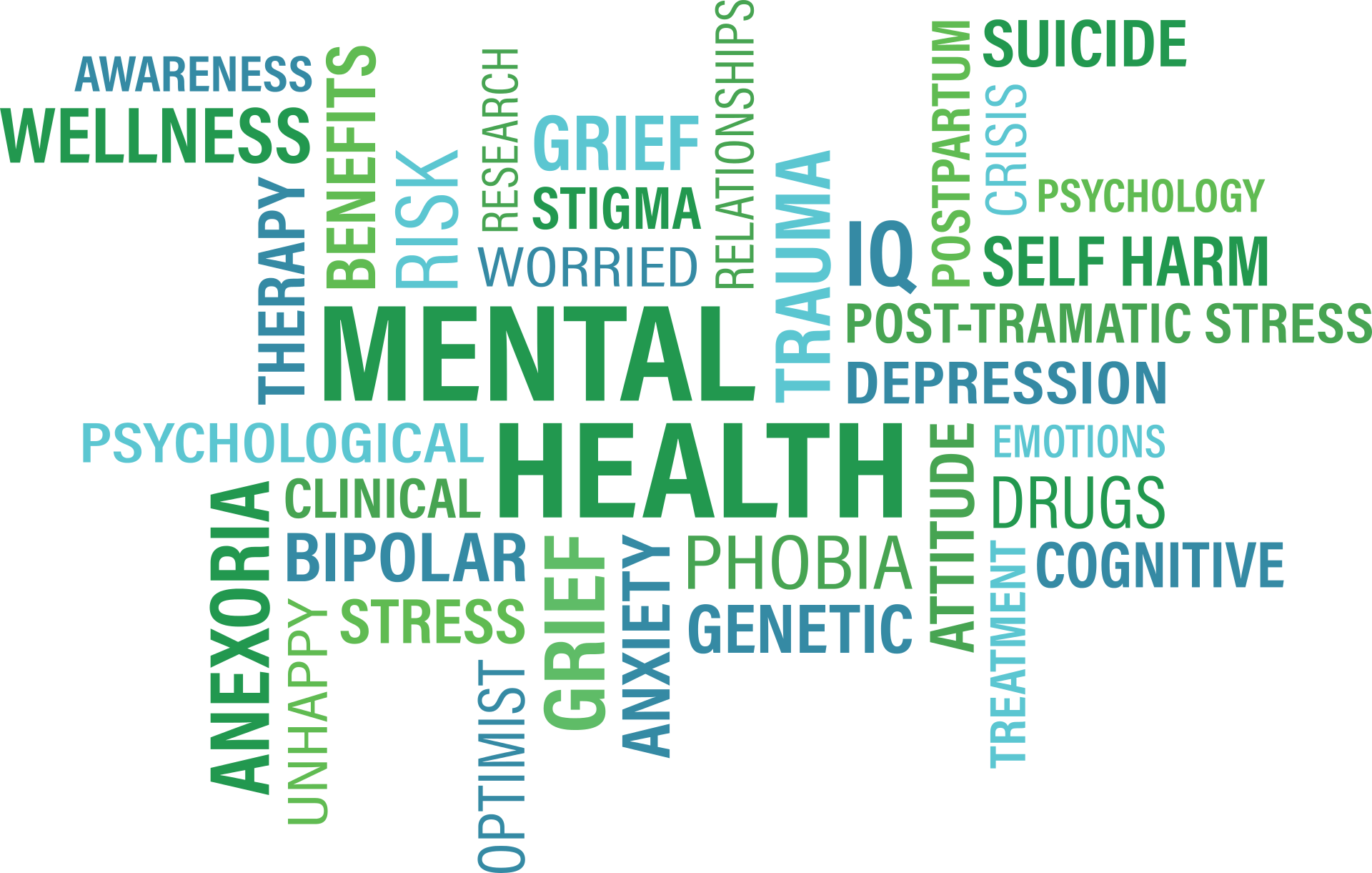
According to the Healthy Minds survey, over 50% of students say that their financial situation is stressful, and 20% say they do not believe they fit in on campus. What is the Healthy Minds survey, and is JCCC doing the most they can to combat these issues students are facing?
About five years ago, JCCC started the process of applying for the Garrett Lee Smith Suicide Prevention grant. This grant has provided funding to states, colleges and tribal groups for suicide prevention activities since the Garrett Lee Smith Memorial Suicide Prevention Act was passed by Congress in 2004. Over 500 of these grants have been awarded since then. Along with the grant, campuses also work with the JED Foundation to support students and their mental health nationwide. Founded in 2000, JED is the creator of the Healthy Minds Survey. The survey is provided to students twice. The first time is to see how students need help, and a few years later, the second documents if interventions have helped solve issues students were facing. Part two of the survey will be available to students this spring.
“We’re going to see–did any of our interventions, or our campaigns, or our promotions have any impact?” Alex Wells, Assistant Dean of Counseling and New Student Retention, said.
Did any of these projects done by the Mental Health Advisory Board make a difference on campus? Let’s hear from the students.
“I’m not entirely sure that they actually develop the mental health services as well as they think they do,” Haley, a JCCC student said.
When asking another student, he seemed to have similar ideas.
“I think if you’re looking for it, you can definitely get access to a lot of resources, but they are in very discrete spots,” Faisal said.
The Student Basic Needs Center is one of these discreetly placed resources. Since their 2023 move, they’ve been placed in GEB 153, right next to and across from the student lounge. Any student enrolled in JCCC classes has access to the Student Basic Needs Center if they need some assistance.
“The top three I would say we tend to use the most would be the food pantry, the equipment loan program and the student assistance fund,” said Robbie Miller, coordinator of the Student Basic Needs Center.
40% of students say they have experienced some form of food insecurity concerns in the past year, and the center has noticed an uptick.
Food insecurity is something that can stunt the learning of students and add an extra level of stress on top of already stressful coursework.
“I guess in my personal and professional opinion, if you’re experiencing food insecurity, [that] can definitely affect your brain and ability to think and your ability to focus, which would probably affect how you’re doing in your classes, so academically I could see that being a way that affects students,” Miller said.
43% of students somewhat or strongly disagree that they feel a part of the campus community. This can, in certain situations, be rooted in food insecurity.
“Lets say you have a group of friends and everyday you’re hearing people talk about the things they eat, what they’re going to cook for dinner, where they’re going out to eat, and then maybe you’re a person that knows that you barely get to eat when you leave campus, or it’s just a little more difficult to acquire food. So I can see that affecting someone’s sense of belonging,” Miller said.
The center is working to combat this through its three resources. When students use the food pantry, they can get up to 15 items once a week. The equipment program allows students to borrow laptops, Wi-Fi hotspots and more. Student assistance funds have certain eligibility requirements, but most are able to apply for the fund.
JCCC has multiple different mental health resources on and off campus, but are they accessible for all students? The counseling center on campus hosts 28 counselors who are available to help with the referral process for outside resources. They also provide assistance with some personal situations and stress management, along with college adjustment.
“They can get some of those surface-level issues. We don’t do mental health counseling or mental health therapy,” Alex Wells said. “If it’s something that’s a little greater need than a surface-level or personal concern, we have two different referral systems.”
One of those options is thanks to a partnership with Johnson County Mental Health. Students can meet with a licensed clinician on the second floor of the Student Center, up to six sessions a year, all of which are free. If students require any other services, they will be referred
to Johnson County Mental Health for continued support. The second option is a Student Assistance Program called “All One Health.”
“Students can call a number and they can go, ‘I’m having issues with grief, I’m having issues with depression,’ whatever it may be, and then that service will provide them with up to five free sessions per issue,” Wells said.
All of the licensed clinicians through All One Health are located in the metro area, and most offer in-person and telehealth services. But are these services available to everyone, or is it more of a one-size-fits-all approach?
“There’s one mental health professional, like personal counseling here on campus, and her waitlist can range for a couple months,” Faisal said. “Get more mental health professionals in the counseling center. Find ways to work to diversify the waitlist so that it’s faster, and tell more people about the All One Health program….”
To learn more about the resources on campus, students can visit the second floor of the Student Center and talk to the counselors or visit JCCC’s website for more information. If you or someone you know is struggling with mental health, the 988 hotline is a dial away. You can also visit The Jed Foundation website for personal help and find ways to help others.










Leave a Reply